The Complete Guide to Mazatlán's Beaches
Mazatlán is uniquely blessed with over 20 miles of beautiful Pacific coastlines, tracking scenic sandy stretches from the historic city boundaries up to pristine northern ecosystems.
The direct translation for beach in the Spanish language is "playa". Below is our comprehensive local traveler registry detailing the prominent swimmable sectors, localized ocean conditions, and scenic parameters.
Understand Local Beach Warning Flags:
- Green Flag Swimming allowed; optimal calm ocean conditions.
- Yellow Flag Bather caution advised; moderate waves or changing tides.
- Red Flag Dangerous conditions; strict swimming ban enforced.
- Red/Black Flag Critical underwater sinkholes or strong suction rip currents present.
Always check flag states at public access points. Major hotels continuously post updated flag alerts near their resort pool gates. Exercise extreme caution by never consuming heavy alcohol before entering the surf.
Mazatlán's beaches compare favorably with alternative Mexican Riviera resorts. Unlike parts of Puerto Vallarta where dropping ocean shelves bring sudden depth changes, or Cabo San Lucas where severe undertows limit swimming, Mazatlán boasts wide, gently sloping sandy expanses. The Pacific sand has a slightly coarser grain size than the powdery white sands of Cancún, meaning it can become hot to walk on barefoot during peak summer afternoons.
Quick Navigation Guide: Mazatlán Beaches
Select any beach link below to review localized swimming indicators, amenities, and transit steps:
Local Demographics & Vendor Regulations
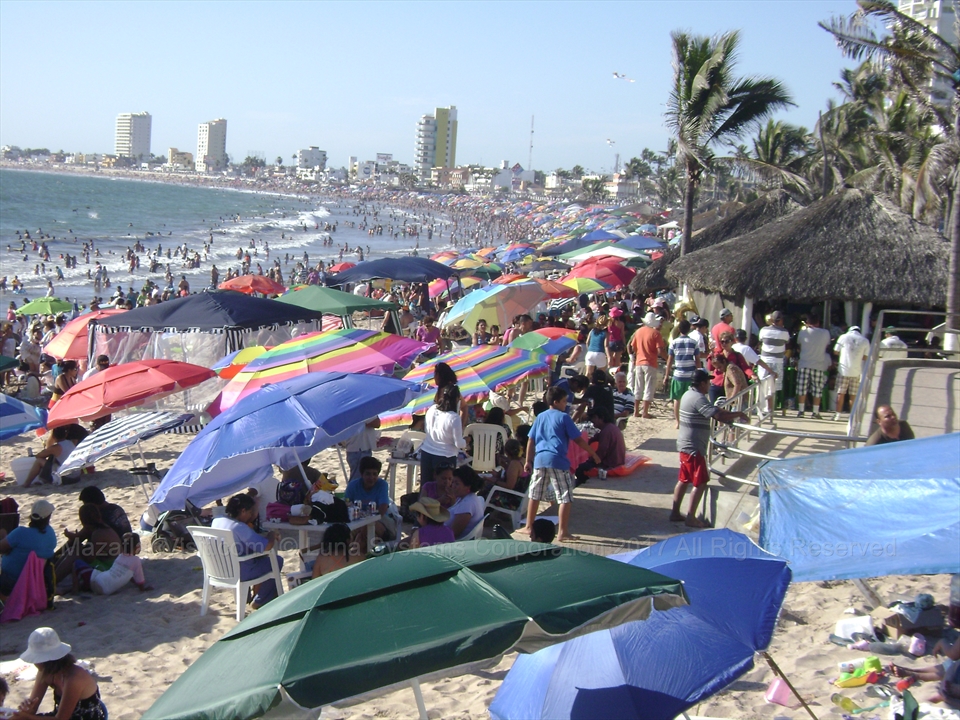
On Sundays, the city beaches naturally fill up with local multi-generational Mexican families and children, as this is typically the standard rest day for regional commerce workers.
During the intense high-volume holiday week of Semana Santa (Easter Week), practically every square meter of public sand gets heavily packed with domestic vacationers. If you are seeking a quiet, relaxing beach experience, we strongly advise coordinating your visit around other calendar slots!
Per federal environmental mandates, every beach in Mexico is classified as fully public and free, meaning resort land owners cannot legally block entry points. While motor vehicles are strictly banned (save for lifeguard patrols, transit police, and navy squads), beachfront hotels are permitted to set up modest roped-off table parameters exclusively for their registered guests. This helps manage space, as mobile vendors frequently cruise the shoreline selling blankets, straw hats, sunglasses, silver jewelry, fresh fruit plates, or offering hair braiding.
Playa Camarón
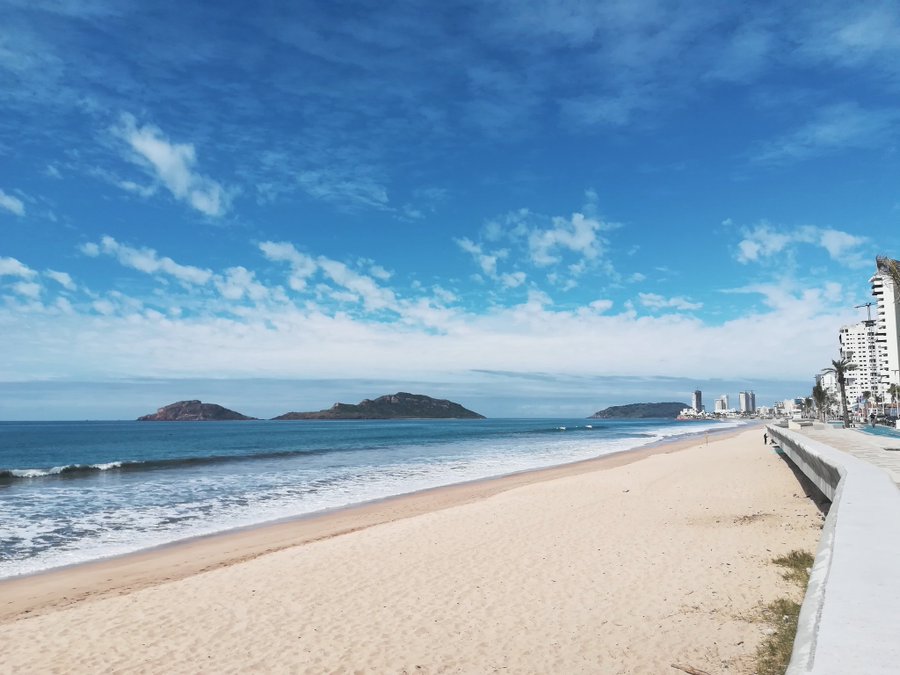
Perfectly positioned within the heart of the bustling Golden Zone resort block, Playa Camarón stands as an incredibly popular and high-traffic destination.
The beach is fairly wide, highly sandy, and maintains a gentle, shallow bottom drop-off for a considerable distance out. This makes it an ideal location for standard swimming, body surfing, and boogie boarding. However, note that during late afternoon hours, coastal winds pick up, creating choppy wave structures. The soft, deep sand and sloped angles can also make long beach strolls slightly tiring during peak high tides.
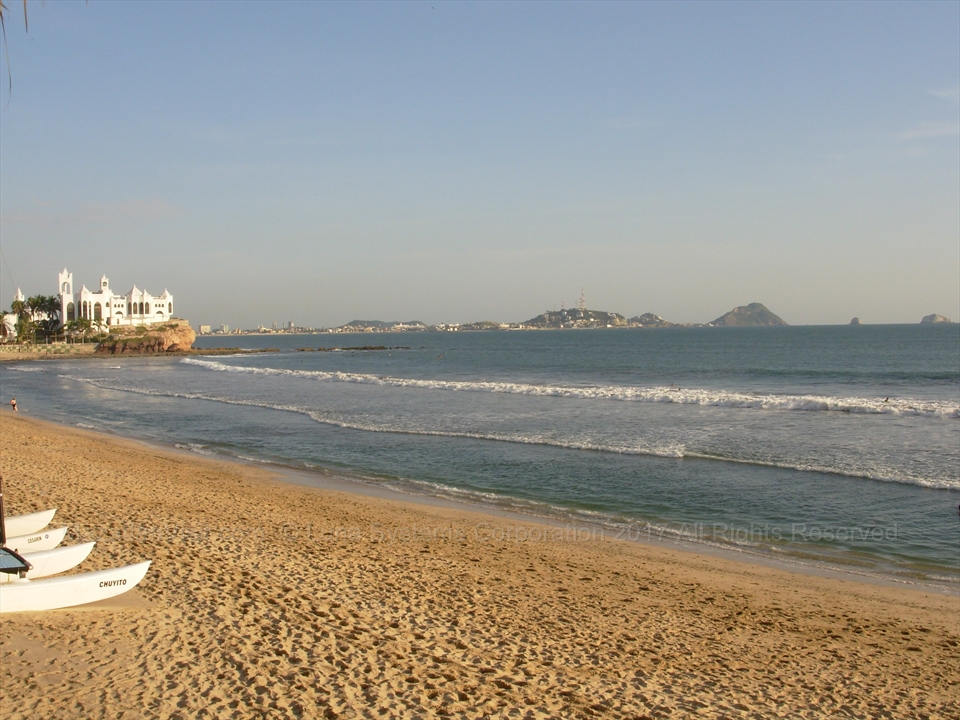
The calmest, safest morning swimming conditions for young children are typically found directly in front of the historic Hotel Playa Mazatlán. Conversely, the southern limits approaching the rocks of Punto Valentino produce much larger, breaking swells heavily favored by local point surfers.
The beachfront deck of Joe's Oyster Bar sits right on this strand. The sand area directly fronting the bar is consistently one of the busiest spots on the coast, allowing beachgoers to relax on the sand while listening to the music system echo out from the lounge deck.
Playa Gaviotas
Running directly parallel through the center of the prominent hotel sector, Playa Gaviotas is an exceptional choice for beach lovers.
The beach area features a wide, flat, and hard-packed sandy layout, making it the premier neighborhood corridor for long morning or sunset walks. While dense crowds naturally gather outside the major condo complexes, alternative stretches remain open and quiet.
The offshore islands provide excellent natural wave shelter here, keeping the surf remarkably calm and highly swimmable for all age brackets. This beach is universally favored for sunbathing and casual boogie boarding, though it does not offer suitable conditions for surfing or snorkeling.
Playa Malecón
This multi-mile continuous beach strand runs directly parallel to the world-famous concrete Malecón Seawall Boardwalk along the expanse of Avenida del Mar.
The coast is fully swimmable across the majority of its linear run, serving the many independent travelers staying in the hotels and high-rise condos situated directly across the city boulevard.
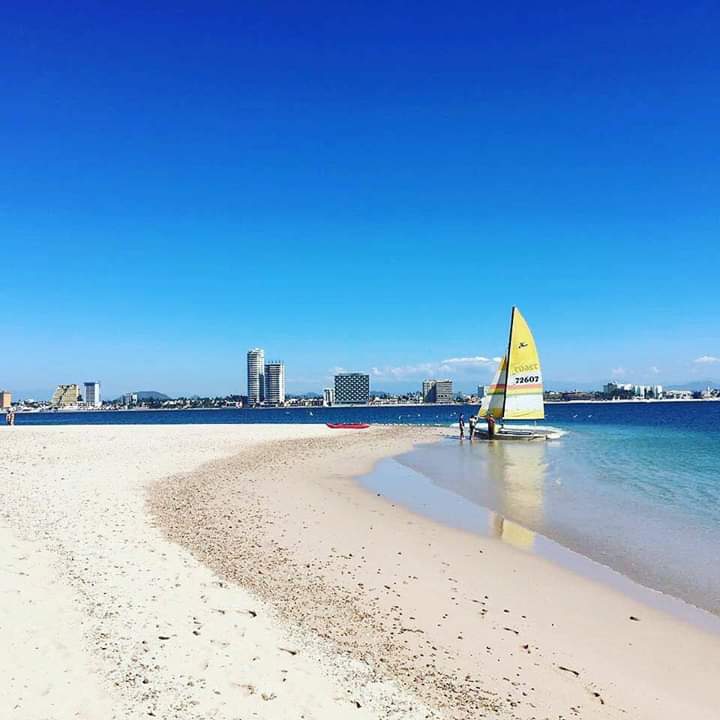
Deer Island Beach (Isla de Venados)
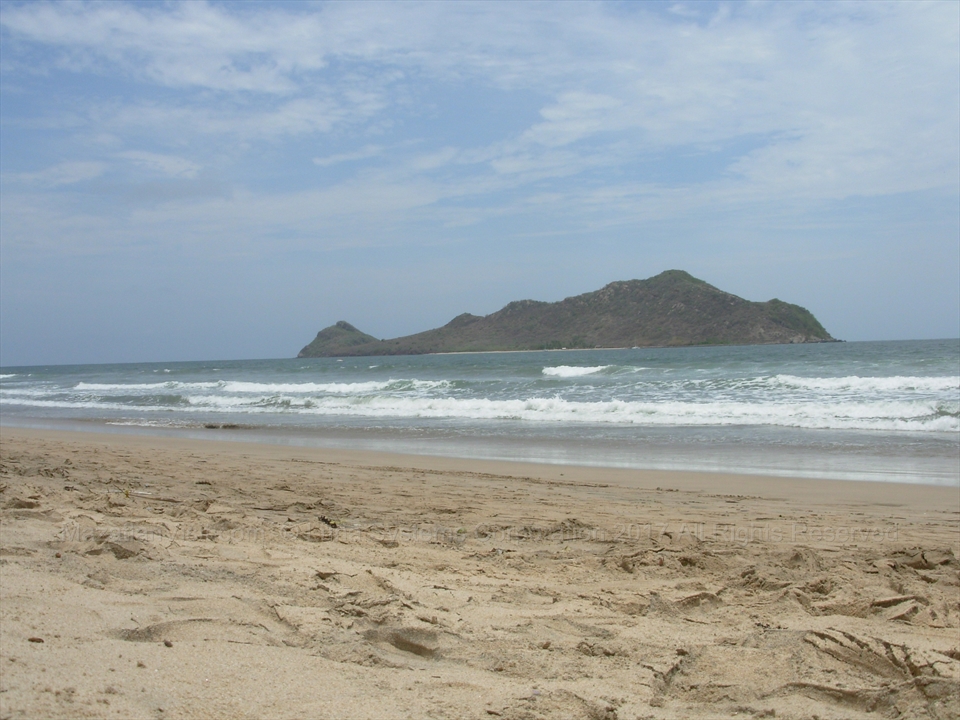
This pristine, eco-protected beach sanctuary rests along the eastern face of Deer Island, the central of the three massive volcanic islands rising out of the bay directly off the resort coastline.
To visit this island escape, you must arrange an open water taxi boat ride departing from the sands of Playa Gaviotas, near the sports marina of the El Cid Mega Resort.
Because it faces inward toward the city, the transparent water is exceptionally calm, providing the absolute premier close-to-town environment for snorkeling and viewing local fish species. Note that the island is an undeveloped nature reserve, meaning public restroom facilities and food services are extremely limited. Pack your own refreshments accordingly!
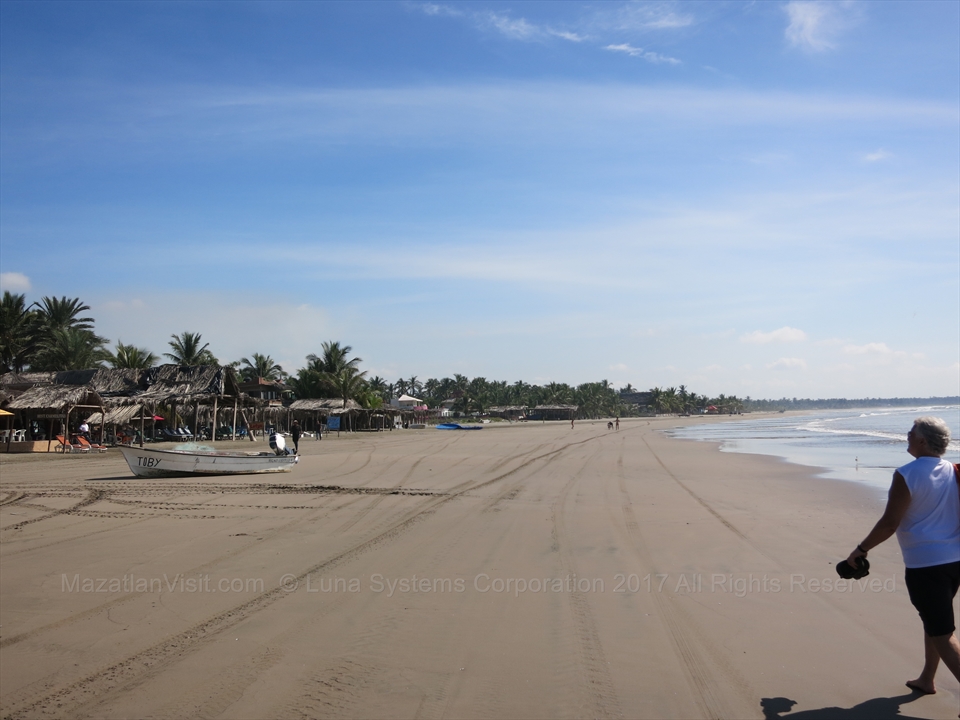
Stone Island Beach (Isla de la Piedra)
Situated south of the old port channels, Stone Island operates geographically as a massive, palm-lined peninsula rather than a standalone island.
The beach presents a spectacular, wide, and entirely flat hard-sand runway that stretches for miles. Because it is completely sheltered from open ocean ground swells, the surf is exceptionally calm and shallow, making it the definitive favorite choice for families with toddlers. The coastline is lined with excellent open-air seafood palapa restaurants and independent beach clubs.
Independent travelers can access this paradise by catching a quick, low-cost panga water taxi ferry from the inner harbor docks (embarcadero). The harbor launch point sits within a one-block walk from the final route stop of the "Sábalo Centro" green bus line, right near the road leading up to the El Faro Lighthouse.
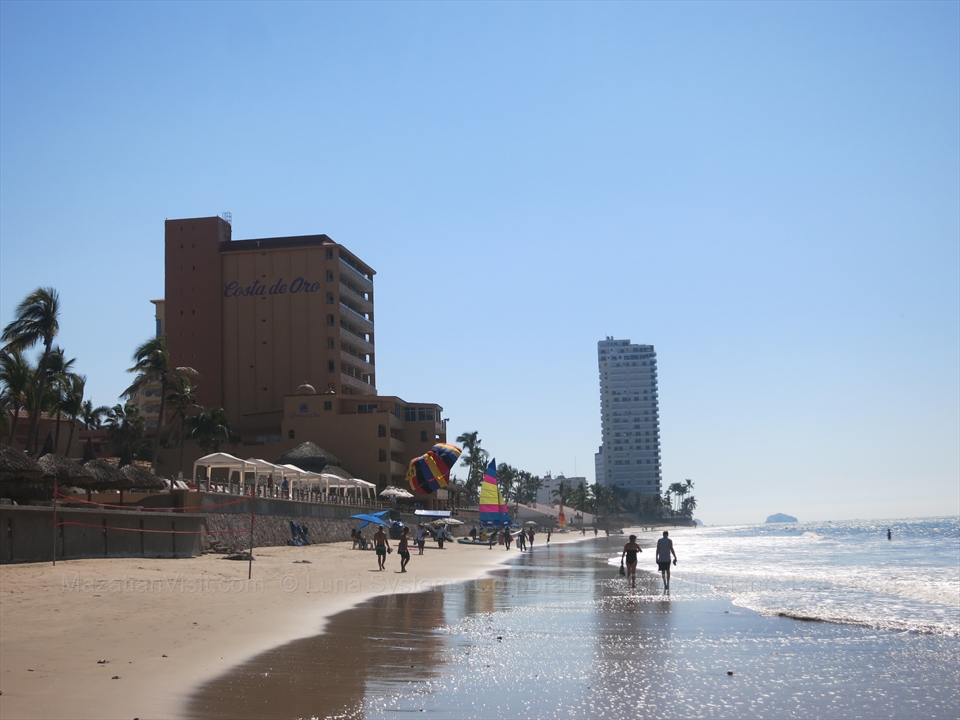
Playa Sábalo
Located within the northern reaches of the primary hotel district, Playa Sábato is a wide, visually beautiful sandy destination.
The area is bordered by several major timeshare resorts and luxury condo complexes, meaning the central sections stay fairly active with tourist activities and parasailing vendors. The ocean floor remains gently sloped and highly swimmable on normal weather days, offering fun body surfing opportunities, though it is not a destination for surfing or snorkeling.
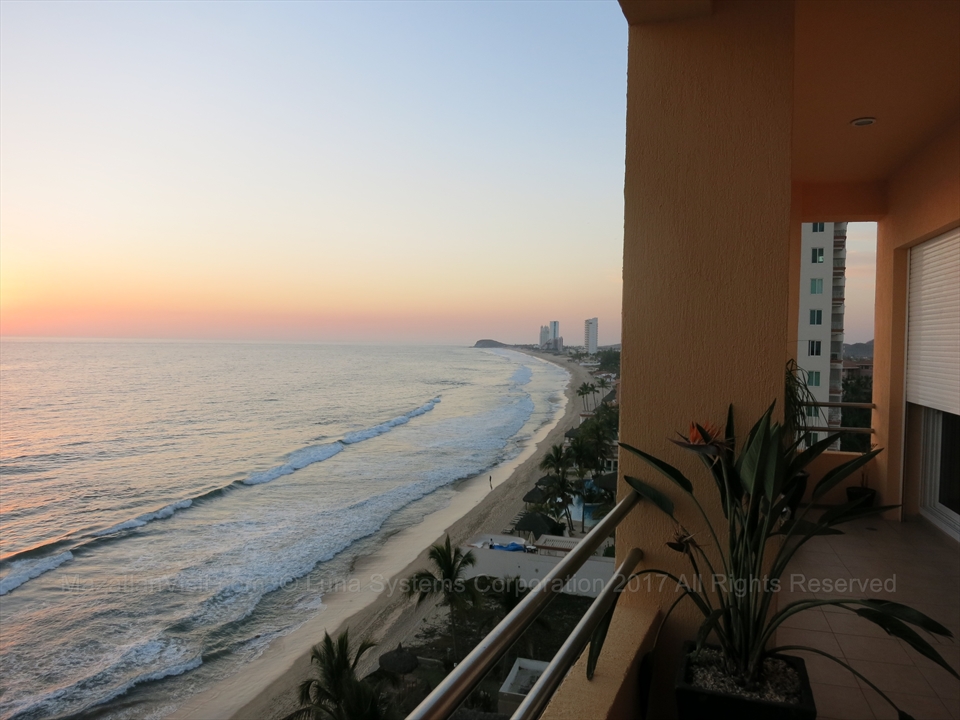
Playa Cerritos
Positioned at the far northern gateway of the city's modern urban extension, Playa Cerritos offers a long, scenic, and deeply tranquil escape.
Because the backdrop consists mainly of privately owned, spaced-out luxury condominium towers rather than massive high-occupancy hotels, the sand stays remarkably quiet and peaceful. While highly scenic for sunbathing, the open ocean forces can generate powerful lateral currents and sudden swells. Always check the lifeguard flag indicators before swimming.
Playa Bruja
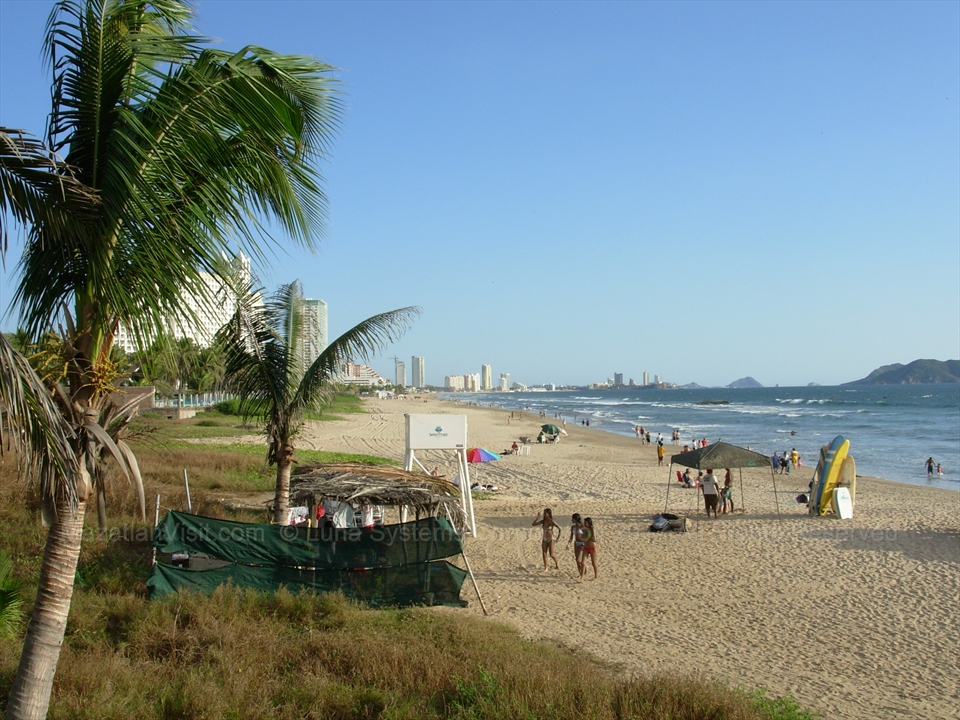
Situated at the absolute northernmost tip of the transit loop inside the Cerritos sector, Playa Bruja is a legendary coastal destination frequently ranked among the best in northern Mexico.
Historically operating as an isolated, pristine beach wilderness, the area now borders select residential developments and the sprawling complex of the Hotel Riu Emerald Bay. The far northern point where the sand hits the rocky headland of Cerritos Point creates one of the premier, most consistent left-hand surf breaks in the municipality. While swimmable, visitors must navigate with caution due to strong open-ocean currents and submerged rocks near the point. The beach terminates right at the famous Mr. Lionso seafood palapa restaurant.
To visit this northern destination, you can catch the "Sábalo Cerritos" city bus running directly up the main hotel boulevard. The transit line finishes its route at Cerritos, about a 15-minute scenic drive north of the Golden Zone.
Playa Norte
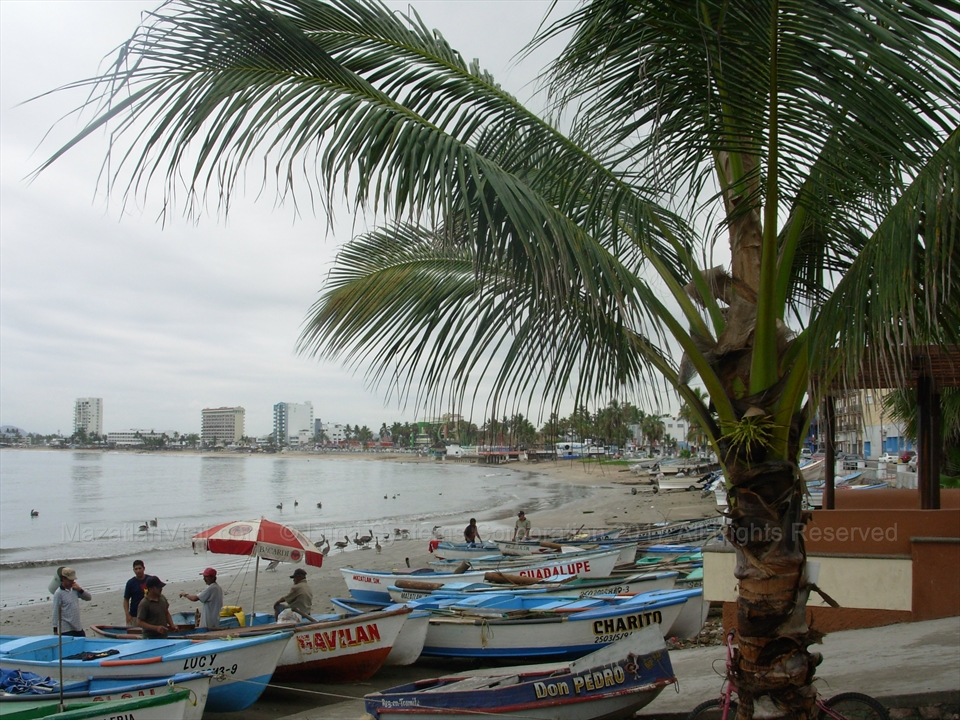
Playa Norte occupies a long, historical crescent curve at the northernmost sector of the primary Malecón run, right before the boulevard wraps around the corner toward the naval stations of Los Pinos.
The beach functions as an active landing hub for local artisanal fishermen, who park their colorful panga boats on the sand and sell fresh daily catches right off the docks. While international resort travelers rarely swim here, it offers a wonderful look at authentic local life, and nearly all visitors pass by it when transiting down toward the old quarter.
Playa Olas Altas
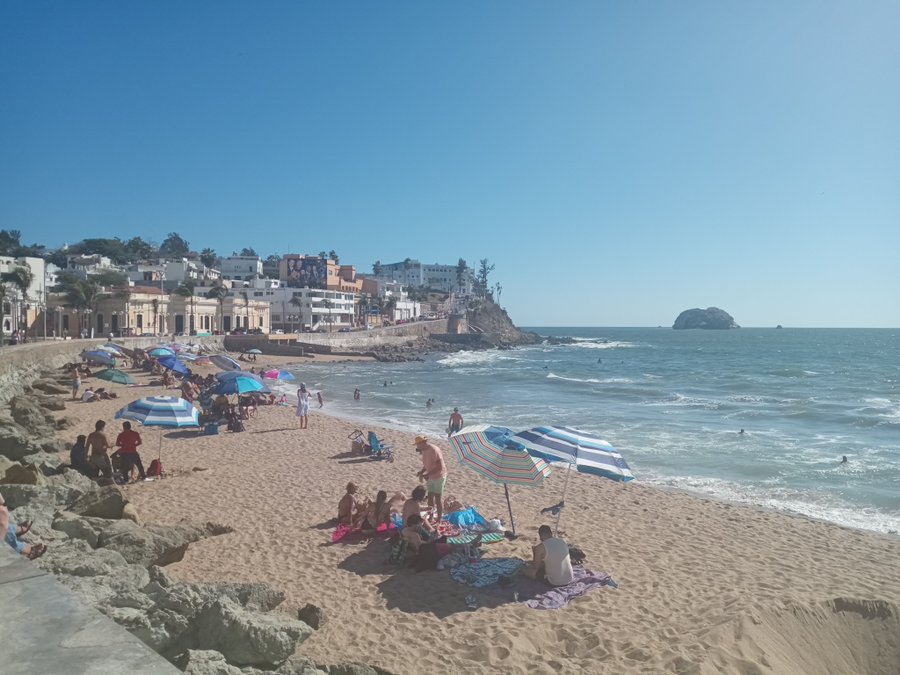
This is the historic, soulful beach strip of the city, positioned directly along the main sea wall boulevard of Olas Altas within the oldest colonial district.
The name translates directly to "High Waves," highlighting the powerful shore-break conditions that attract seasoned surfers and bodyboarders. The beach presents a highly unique natural phenomenon: the sand drastically shifts location depending on the seasonal currents, exposing bare volcanic rock beds during certain winter cycles before naturally returning to form wide sandy shores in the spring.
While beautiful for sunbathing and enjoying an evening cocktail at the sidewalk cafés, casual swimmers should exercise caution due to the strong crashing wave energy.
Playa Los Pinos (Los Pinitos)
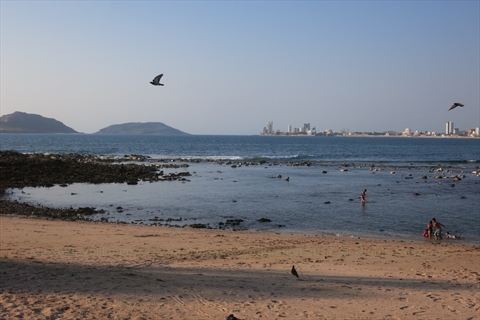
Tucked neatly inside the small neighborhood pocket of Los Pinos right where Paseo Claussen curves around the base of the old fort hills toward Centro, this intimate cove is a hidden gem.
The beach is affectionately referred to by residents as "Los Pinitos." It holds a beloved local reputation as the ultimate safe-swimming haven for grandparents and small toddlers because the unique rocky reef handles wave energy safely, creating an incredibly calm, shallow wading pool. On weekends, the cove fills with local families, offering a wonderful, authentic neighborhood atmosphere away from the main tourist zones.
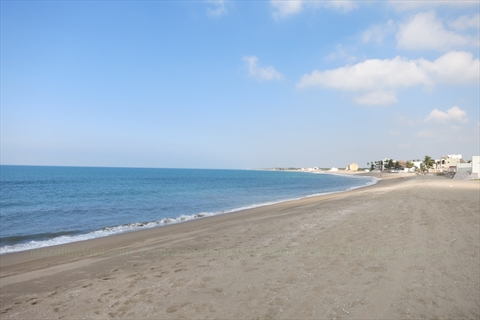
Playa Delfín
Playa Delfín (Dolphin Beach) presents an incredibly vast, completely wide-open wilderness horizon stretching across the remote northern reaches of the Emerald Bay sector.
The area remains mostly untouched by massive high-rise hotels, offering miles of wild sand lines perfect for peaceful beach combing and viewing wild marine birds. Because it sits fully exposed to open Pacific currents, the surf is powerful and best suited for walking rather than casual swimming.
Snorkeling Guide & Realities
It is important to note that Mazatlán is not globally categorized as a top-tier snorkeling destination. Because the continuous Pacific shore waves kick up the fine coastal sands, underwater visibility along the main resort beaches stays naturally cloudy or milk-toned on typical afternoons.
However, clear waters can be reliably found by transiting off the mainland. The absolute premier location to snorkel is along the sheltered, rocky reef side of Deer Island. Travelers can easily hire private panga boat captains directly off the sand in the Golden Zone (especially outside the El Cid Mega Resort marina structures) to cruise you across the navigation channels for a morning of tracking local marine life.
Surfing Season & Point Breaks
Mazatlán treats wave-riders to fantastic, highly reliable surf conditions. From late March through early November, strong deepwater Pacific ground swells consistently roll straight into the bays, generating excellent, clean point breaks.
The two most popular, high-profile surf spots inside city limits are: 1) Cerritos Point, anchoring the northernmost rocky tip of Playa Bruja, and 2) the fast reef break running directly alongside the white castle walls of Punto Valentino in the Golden Zone. Seasoned surfers seeking larger breaks can travel slightly further north past Cerritos to explore the heavy breaks at **Los Cardones**, which hosts its own boutique eco-surf lodging.
Frequently Asked Questions (FAQs)
Does Mazatlán have good beaches?
Yes, Mazatlán boasts an exceptional, highly versatile selection of public beaches. While the sands cannot match the bright white, powdery coral textures or neon turquoise transparency found along Caribbean destinations like Cancún, the city offers incredibly wide, walkable, and genuinely authentic Pacific sandscapes that host rich local culture and excellent standard swimming conditions.
Are the beaches safely swimmable?
The vast majority of city beaches are perfectly swimmable. For visitors transiting with small toddlers, Los Pinos beach (Los Pinitos) provides a highly protected, shallow reef cove with minimal wave energy. Alternatively, the flat expanses of Stone Island and the main hotel zones are stellar choices. Remember that waves naturally increase in size during late afternoons as thermal winds kick up, making morning hours the ideal window for calm swims.
Is the ocean water completely clear?
Ocean clarity fluctuates depending on seasonal weather and daily wind speeds. Because incoming Pacific ground swells constantly interface with the soft sand, shore lines stay slightly cloudy. However, during calm weather cycles or by transiting out to the protected bays of Deer Island, the water becomes beautifully transparent.
What beaches are located near the cruise ship terminal?
The absolute closest, highest-quality beach destination accessible from the commercial shipping docks is Stone Island Beach. Cruise passengers can walk a short distance down the street from the ship gates to the municipal panga launch (embarcadero) and secure a low-cost, 5-minute boat ride straight across the harbor channel to access Stone Island's beautiful calm shores. Main resort strips like the Golden Zone require a 15 to 30-minute Pulmonía taxi ride.