Walking the Malecón: Everything to See & Do
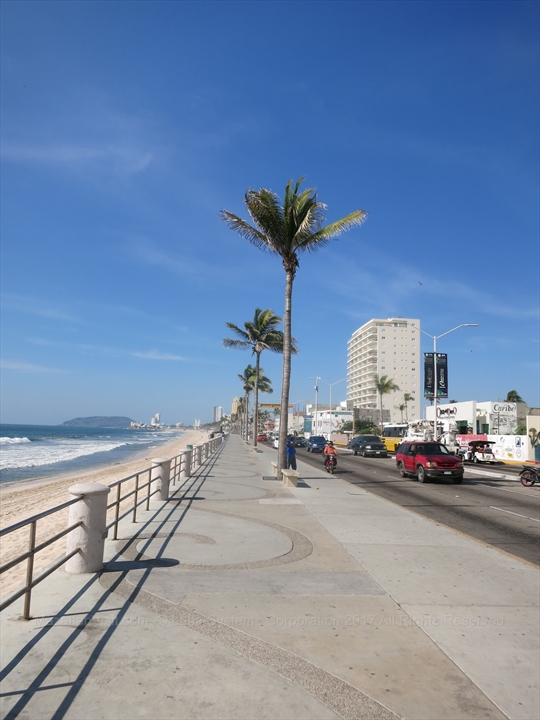
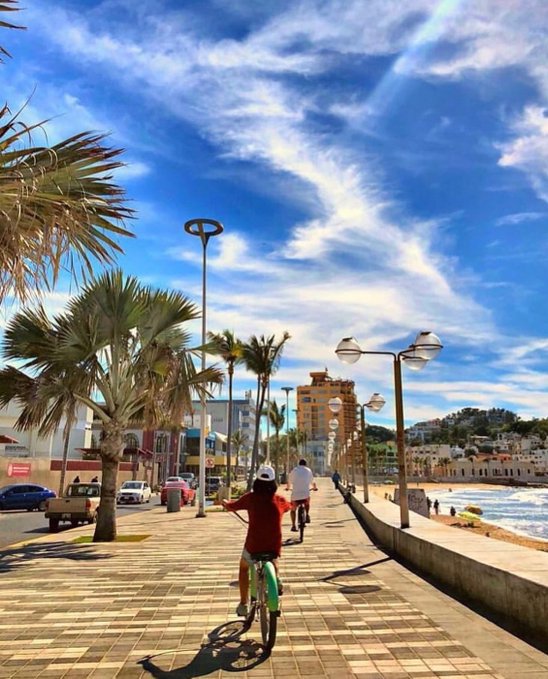
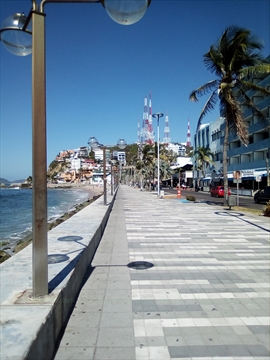
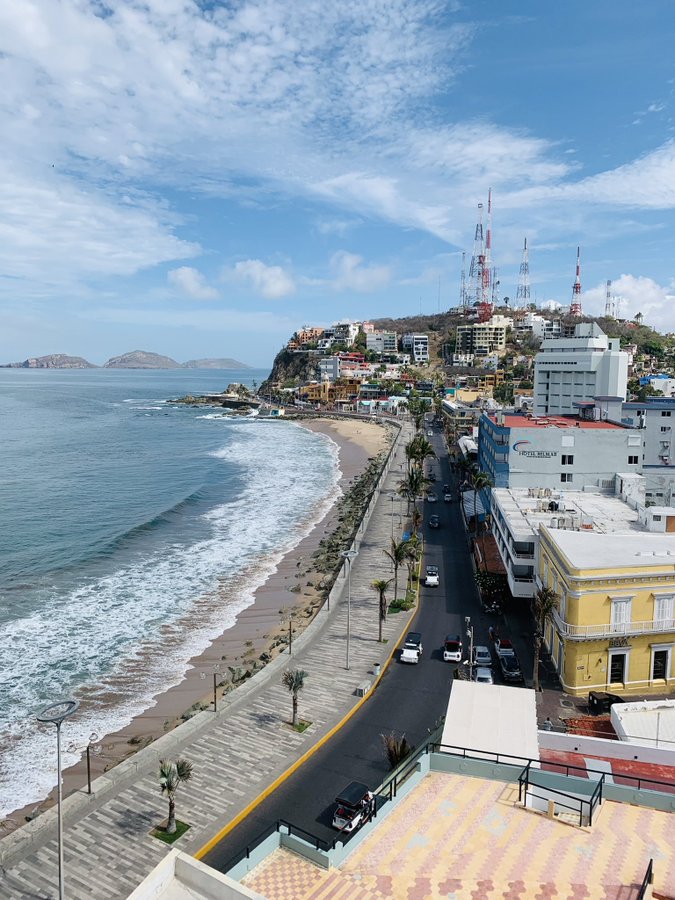
The iconic Mazatlán Malecón stands celebrated as a magnificent, 7-kilometer-long continuous oceanfront promenade and seawall shielding the city's crescent bay.
Widely recognized as one of the single longest maritime boardwalk walkways on earth, this scenic coastal path tracks seamlessly beside the breaking surf, fully outfitted with broad pedestrian lanes and a modern dedicated bicycle trail. From early sunrise until late at night, the walkway serves as a massive focal point for physical activity and local gatherings, drawing joggers, inline skaters, cyclists, and families enjoying the ocean breeze.
The promenade maps across three distinct infrastructural segments, passing historic monuments, public squares, open-air seafood kitchens, and performance hubs. It also functions as the official stage for the city's legendary annual Carnaval Parades, Day of the Dead processions, and International Motorcycle Week rallies.
Maximizing Your Boardwalk Excursion
Because the entire coastal walkway spans a considerable distance, attempting to hike the entire grid in one afternoon can be exhausting under the direct tropical sun. We highly recommend visiting the boardwalk in targeted sections or renting a bicycle to navigate the continuous bike path layout smoothly. Be sure to carry high-protection sunscreen, sunglasses, and a wide-brimrimmed sun hat.
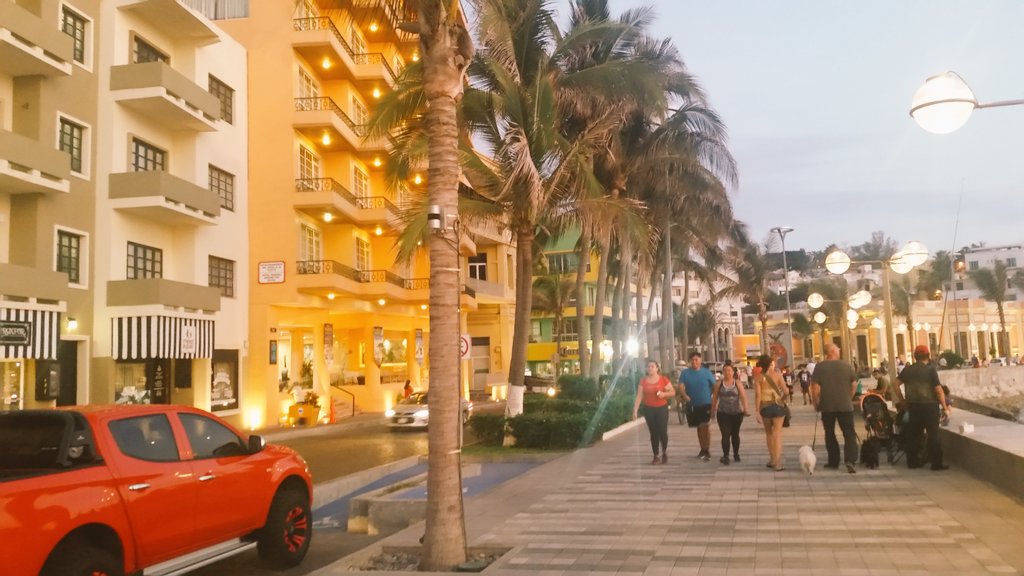
The boardwalk is highly safe to explore during daylight hours. At night, stick to the busier, brilliantly lit sectors like Olas Altas or the northern hotel zones. The entire avenue presents a spectacular nighttime view when seen from the heights of the Golden Zone beach terraces—especially from Joe's Oyster Bar. From there, you can admire the city lights reflecting across the dark surf alongside the historic glowing columns of the Hacienda Hotel.
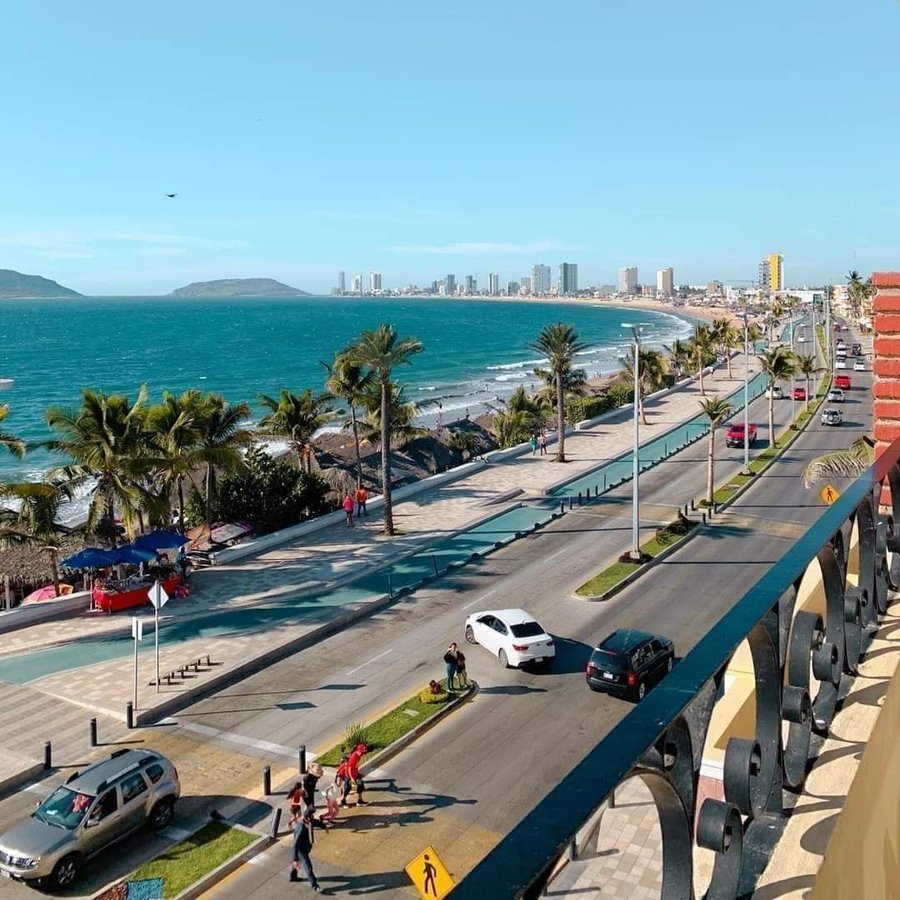
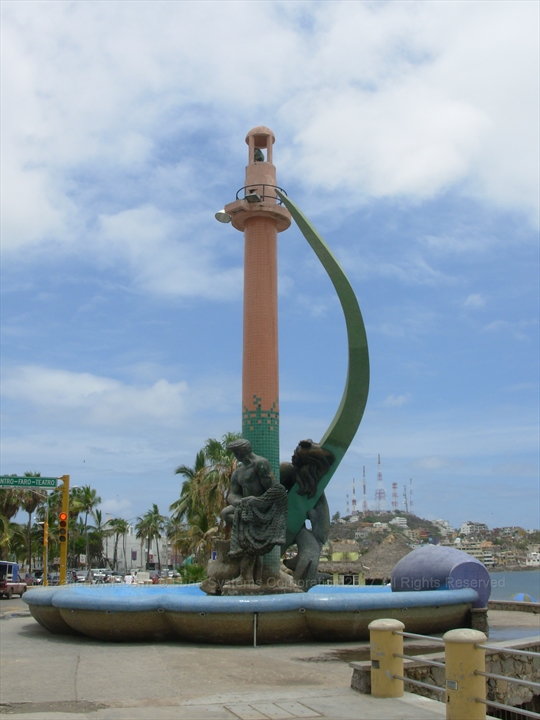
Avenida del Mar Section
The Avenida del Mar Section stands as the primary, longest, and most recognizable stretch of the Mazatlán boardwalk. When visitors refer generally to "the Malecón," they are typically thinking of this expansive beachside boulevard.
This zone has undergone comprehensive urban modernization, introducing elegant palm trees donated by Stone Island that feature specialized night uplighting, futuristic sun shades, and comfortable public benches. Street parking has been removed from the central dividers to make room for lush botanical planters, creating a scenic corridor for the city's major parades, athletic marathons, and the annual international triathlons.
This section borders an endless sandy beach lined with legendary open-air seafood palapas like Puerto Azul and El Muchacho Alegre. It is also home to several prominent cultural statues:
- The Fisherman's Monument: (Known locally as Los Monos Bichis), the ultimate artistic landmark of the city.
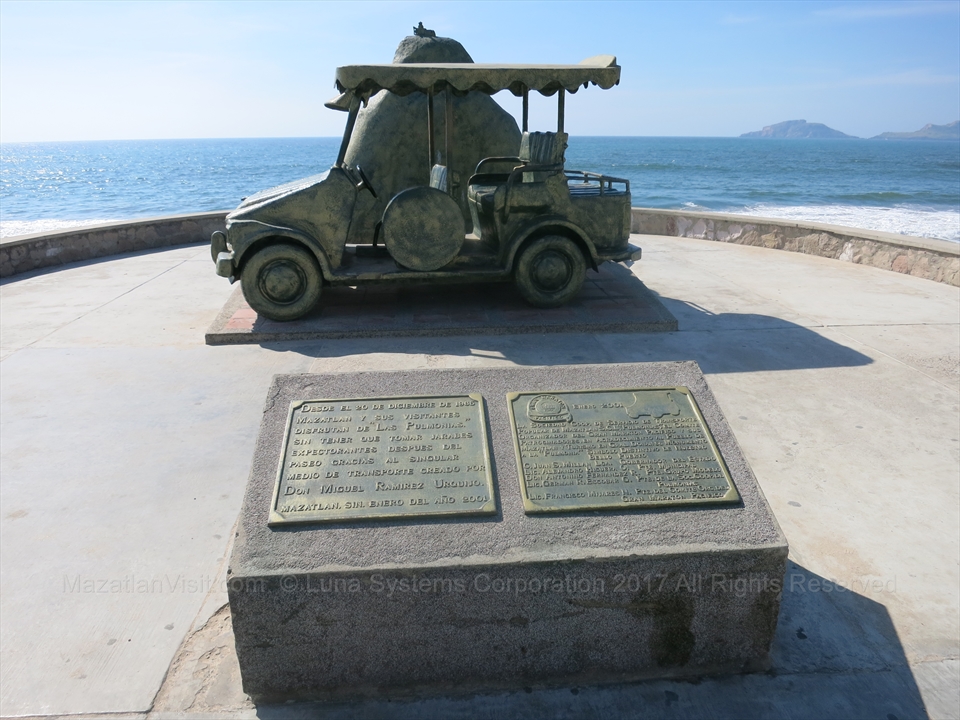
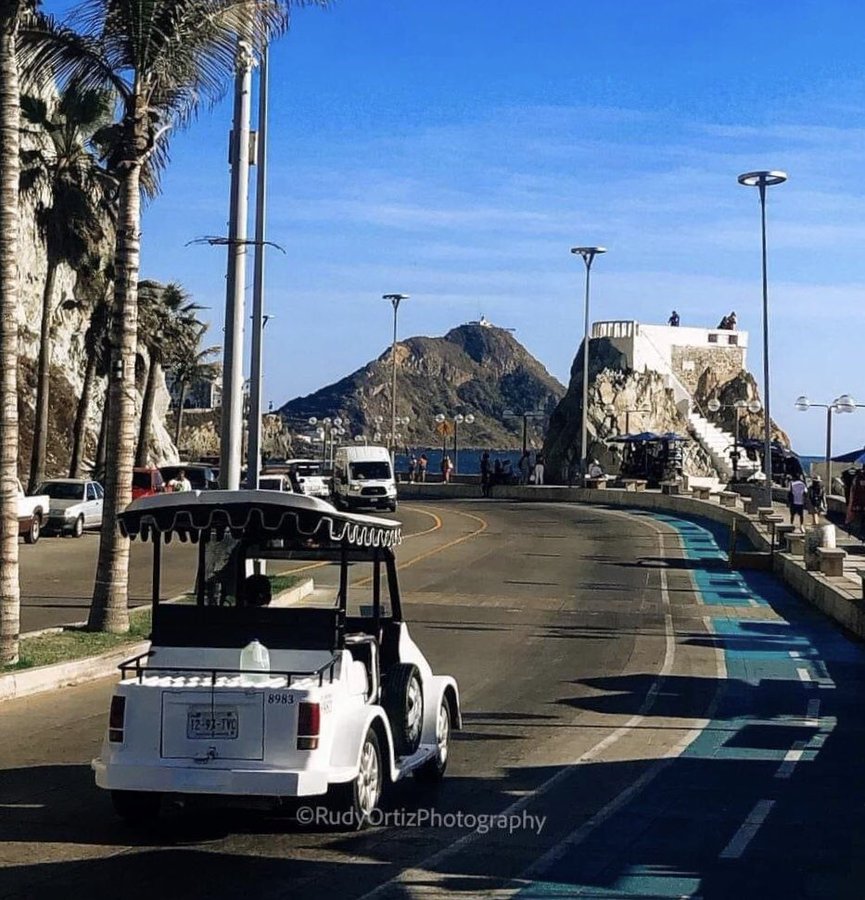
- The Pulmonía Taxi Monument: A fun bronze tribute to the city's unique open-air Volkswagen transit cars.
- The Pacifico Brewery Monument: Celebrating the local heritage of the city's signature pilsner craft beer.
- The Monument to Family & Sea Lion Habitat Statue: Spotlighting the native local marine wildlife.
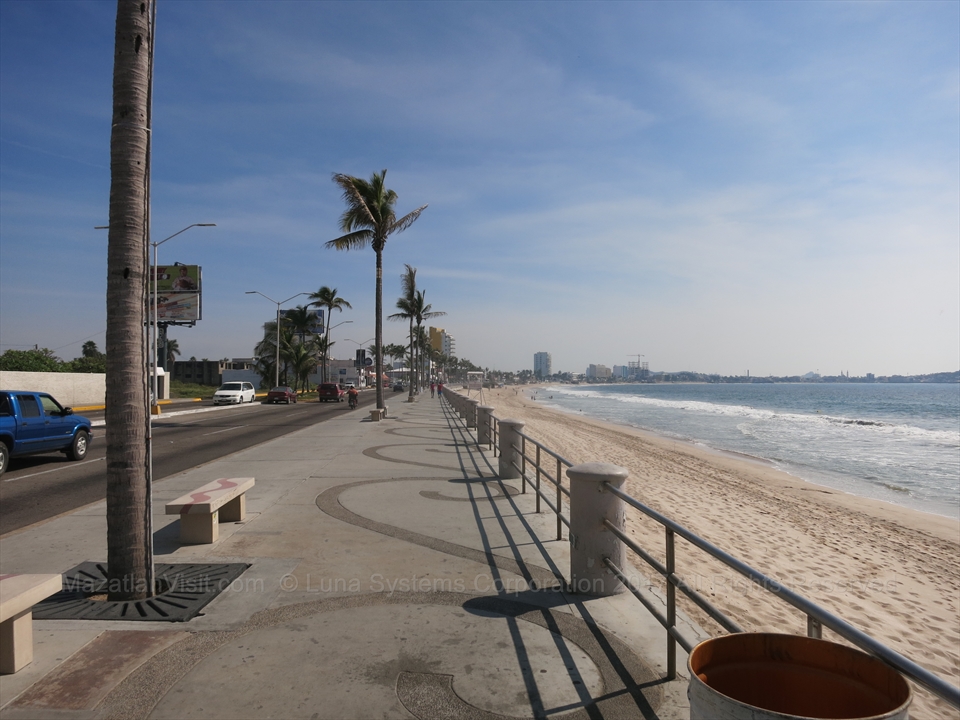
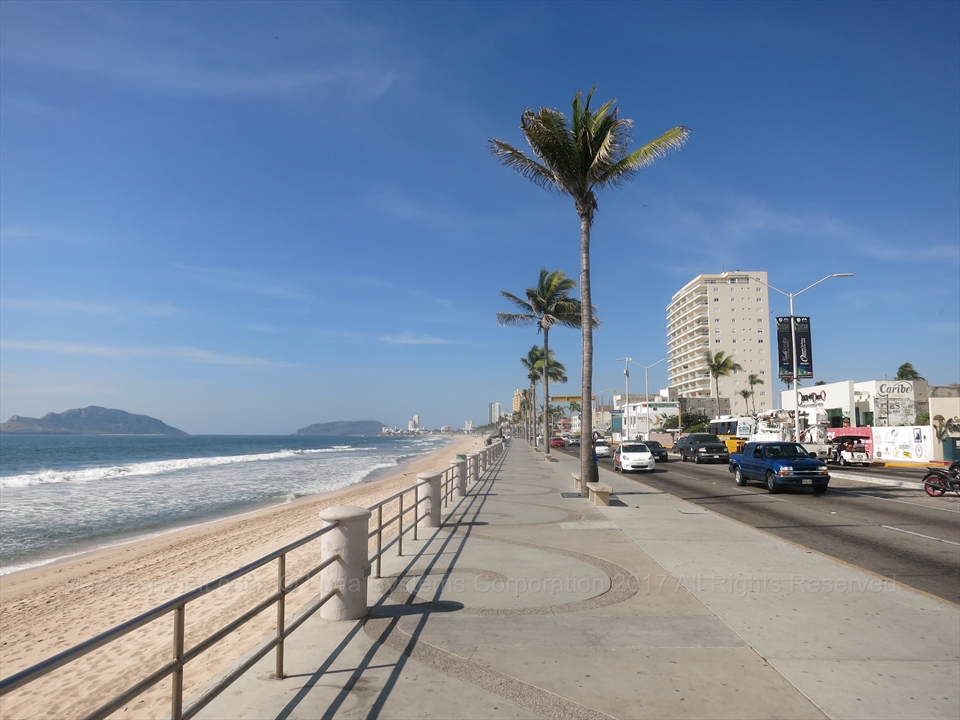
Paseo Claussen Section
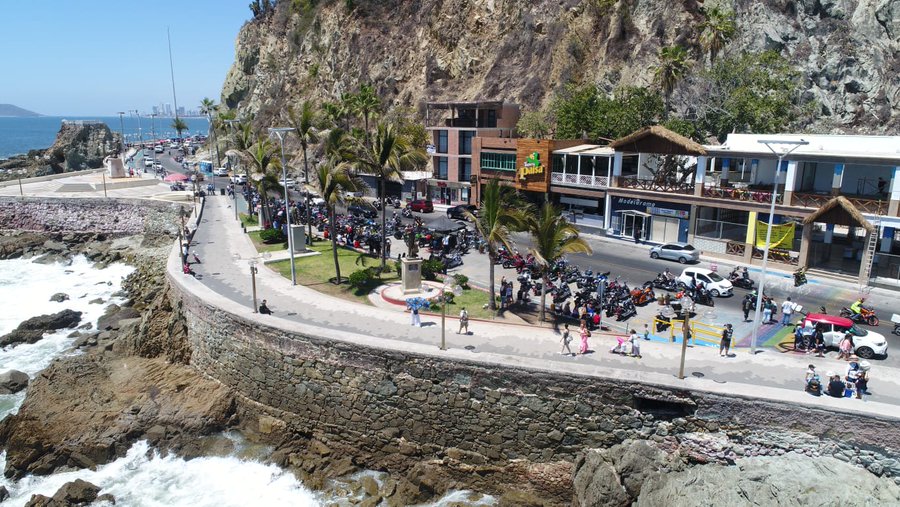
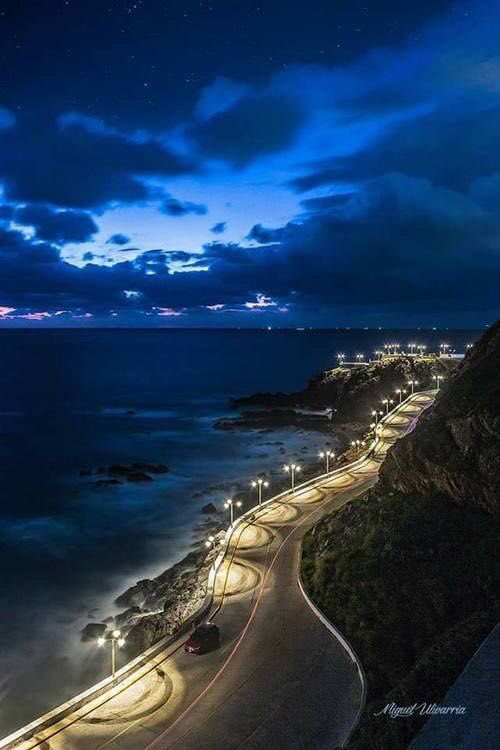
Contouring directly around the rugged, rocky volcanic cliffs of the southern point, the Paseo Claussen Section routes travelers from the edge of Playa Norte down to the borders of the historic old quarter. This atmospheric, highly romantic stretch is heavily favored by strolling couples and families during sunset hours.
The path winds past the newly developed Sister Cities Park (Parque Ciudades Hermanas), the mysterious gated entrance of Devil's Cave, and bustling public plazas packed with traditional street food vendors. The definitive highlight here is the historic El Clavadista platform at Glorieta Rodolfo Sánchez Taboada, where brave local cliff divers perform death-defying leaps into the shallow, rocky ocean surges below throughout the afternoon and early evening hours. Nearby sits Carpa Olivera, a historic, natural ocean-fed tidal swimming pool built directly into the coastal rock.
Famous monuments gracing this stretch include:
Paseo Olas Altas Section
Steeped in rich colonial character, the Olas Altas Section maps a beautiful 1-kilometer track in front of the historic core's old quarter before climbing toward the elevated bluffs of Paseo del Centenario. This section is famous for hosting legendary, high-density Carnaval street parties and seasonal zombie marches.
The street is lined with historic hotels from the mid-20th century, including the Belmar, Hotel La Siesta, and the Posada Freeman, alongside the original open-air tables of the iconic Shrimp Bucket restaurant. The monuments situated along Olas Altas are deeply tied to local cultural pride:
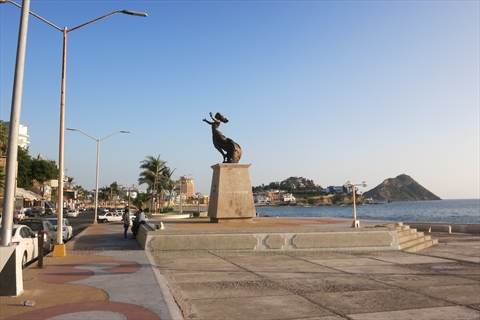
- El Venadito (The Little Deer): A historic bronze statue of a deer that honors the name of the city, which translates from the native Nahuatl language as "The Land of the Deer." The monument base displays the formal structural shields of Sinaloa and Mazatlán.
- The Pedro Infante Monument: A bronze statue honoring the legendary Golden Age Mexican movie star and singer who was born right here in the port.
- The Fernando Valadés Monument: A tribute showing a man at a piano, dedicated to the famous locally born composer and classical pianist.