Frequently Asked Questions About Mazatlán: Travel FAQ
Planning a trip to the Mexican Pacific? Here are the most frequently asked questions about traveling to Mazatlán, Sinaloa.
We keep this directory continually updated to assist international vacationers, expats, and cruise ship passengers. Click on any question below to expand the detailed answers, local tips, and municipal insights.
Yes, Mazatlán is a remarkably safe destination for international travelers. While general safety metrics require caution in any major city, the incidences of violent crime remain exceptionally low in primary resort districts. The vast majority of visitors spend their entire vacations within the heavily patrolled corridors of the Golden Zone (Zona Dorada), Olas Altas, and the historic brick alleyways of Historic Old Town (Centro Histórico).
While isolated cartel conflicts routinely track along the agricultural regions deep in northern Sinaloa, these isolated operational matters do not manifest within Mazatlán's municipal parameters. Multitudes of American and Canadian snowbirds happily reside inside the city for months out of the year without issue.
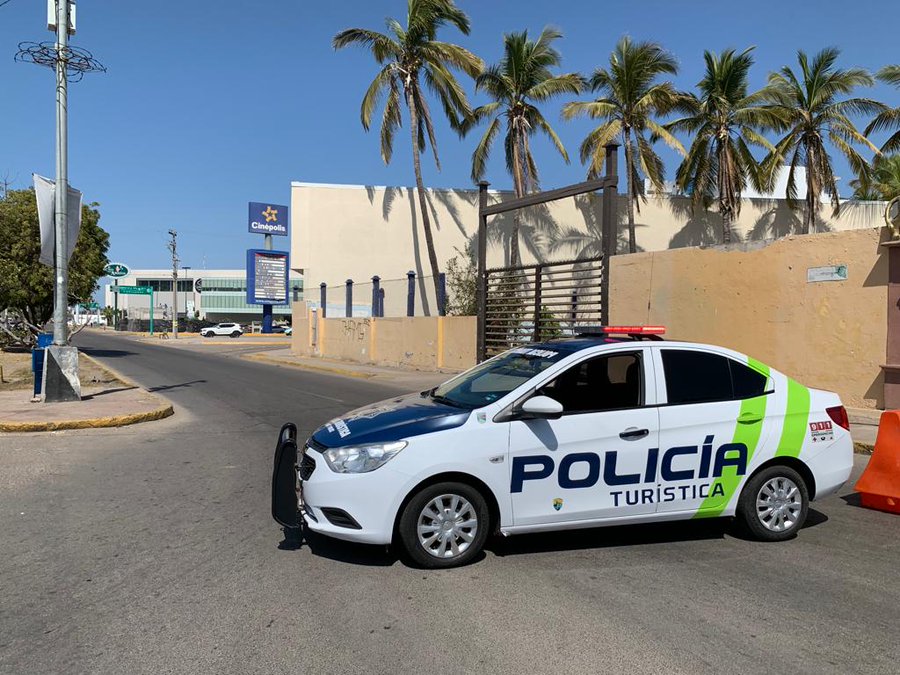
To guarantee an entirely event-free vacation, avoid heavy public intoxication, never solicit illicit substances, and follow standard urban common-sense practices. You will encounter a reassuring, highly visible presence of dedicated Tourist Police patrolling the primary tourist zones 24/7.
Unlike generic master-planned tourist enclaves built strictly for resort enclaves, Mazatlán is a historic, thriving 19th-century colonial port city with deep Mexican roots.
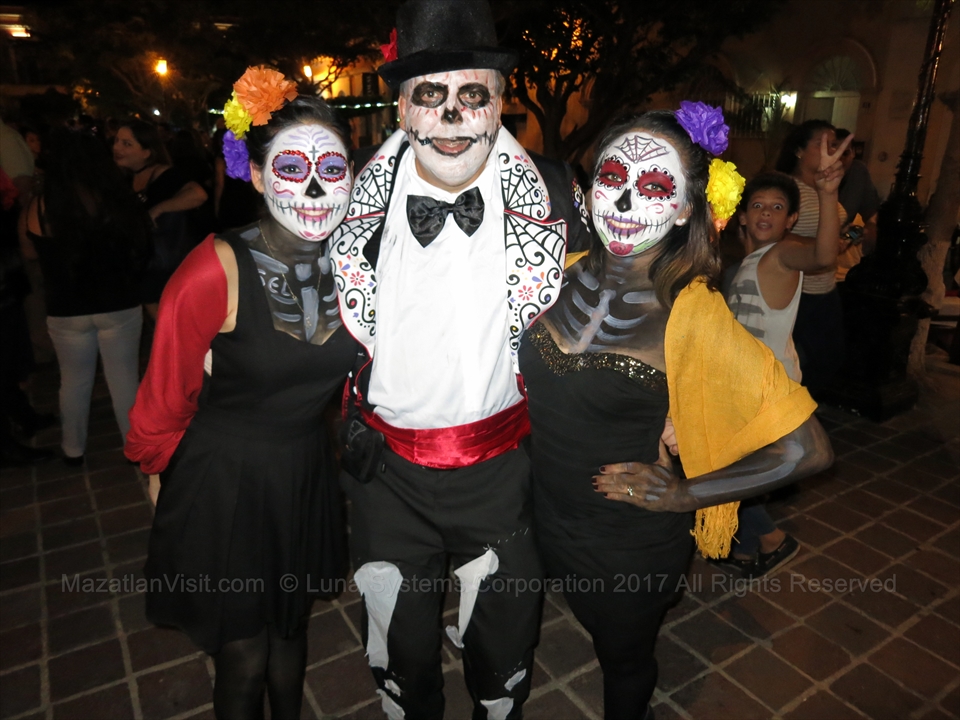
It masterfully balances pristine sandy coastlines with a rich calendar of authentic cultural Attractions, outdoor Activities, and festive Events. The city hosts the largest state-of-the-art marine park facility in Latin America, fields the legendary 3rd-largest annual Carnival Festival in the world, supports professional stadium Venados Baseball, and serves world-renowned fresh seafood along tens of miles of beautiful beaches.
Mazatlán is located within the coastal borders of the maritime state of Sinaloa in the United Mexican States (Mexico).
It sits precisely along the sandy western shores of the pristine Pacific Ocean, directly across the Gulf of California from the tip of the Baja California Peninsula. The city rests practically on the geographical threshold of latitude 23° North, aligning it exactly with the global boundary line for the Tropic of Cancer.
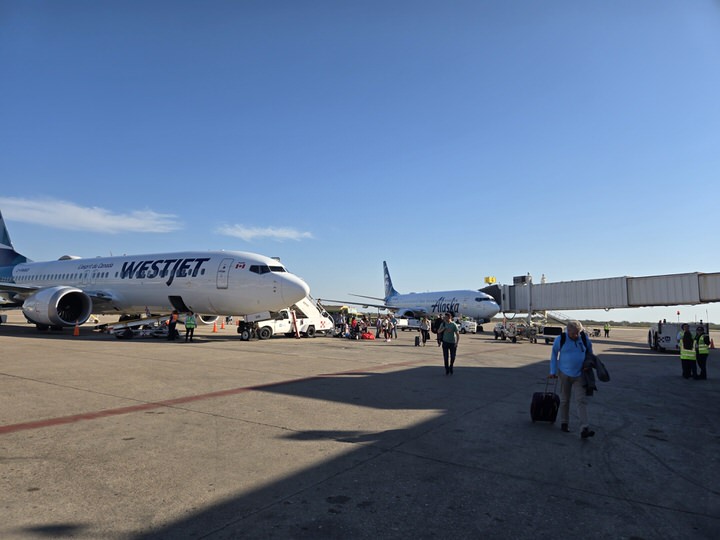
Mazatlán is readily accessible by air, well-paved overland turnpikes, or deep-sea cruise ports.
The modernized Mazatlán International Airport handles direct international and domestic flights on a daily schedule. For motorists driving from the United States or inland Mexico, the engineered multi-lane Mazatlán-Durango Superhighway offers an epic path across mountainous terrain through structural tunnels and bridges.
Additionally, a heavy commercial trans-gulf car ferry runs a routine overnight itinerary crossing between La Paz on the Baja Peninsula and the central docks of Mazatlán.
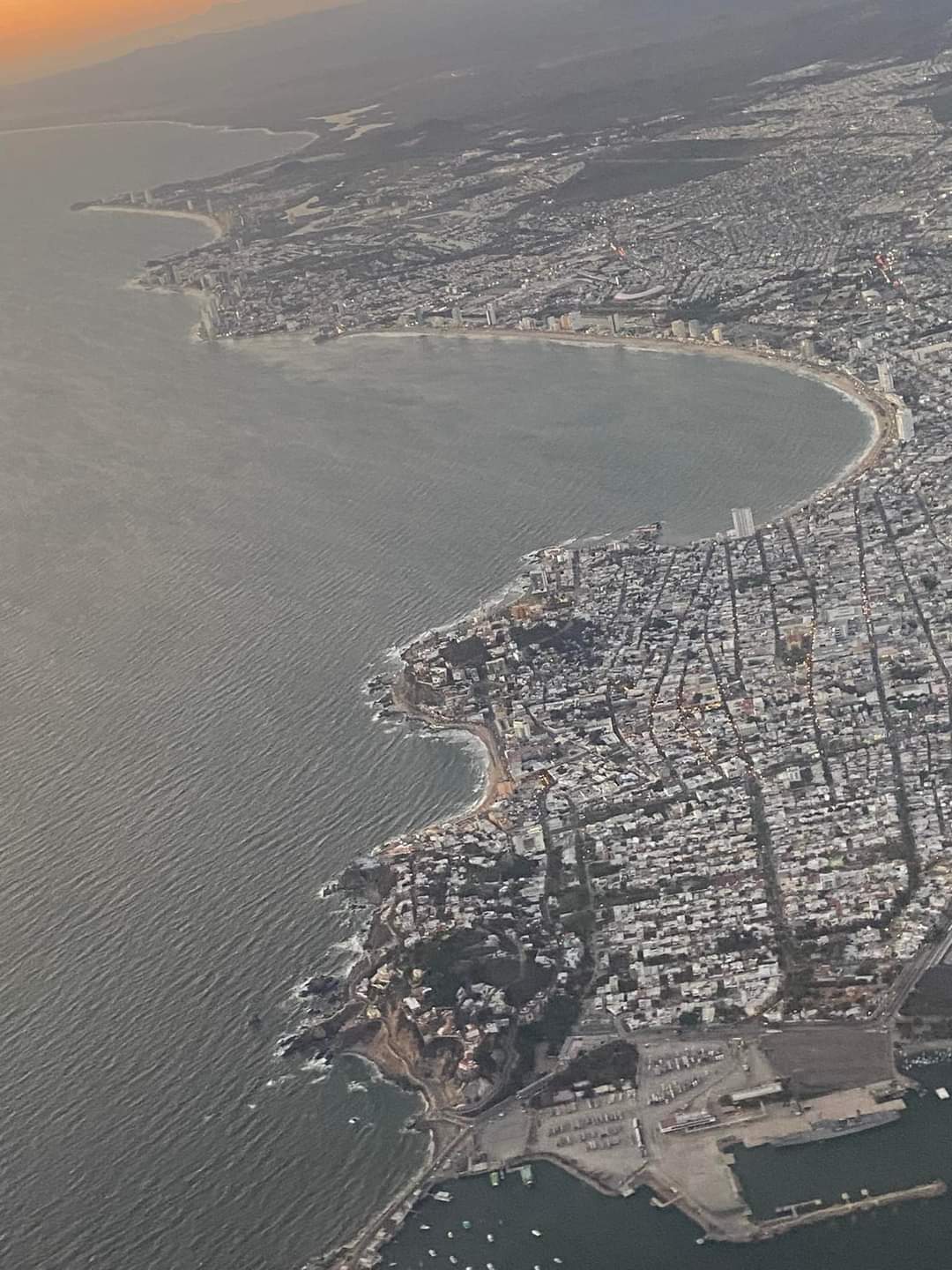
Because Mazatlán evolved as a fully diversified merchant city over two centuries, its geographic neighborhoods present dramatically different architectural designs and vibes. The primary beachfront hotel clusters are located along the Golden Zone, whereas heritage architecture flourishes in Centro Histórico. To master your orientation, check out our comprehensive breakdown of city sectors: Read the Areas of Town Guide
Choosing your dates depends heavily on your ideal weather preferences and tolerance for peak seasonal crowds:
- The High Peak Winter Season (November – April): This is the premier vacation window for international travelers escaping cold climates. Skies remain completely sunny and bone-dry; daytime temperatures comfortably range between 25°C and 30°C, while cool evening sea breezes drop ambient conditions to a crisp 15°C to 23°C. November and April stand out as top-tier months offering perfect climates with fewer tourists.
- Semana Santa (Easter Week Warning): This stands out as the single busiest holiday window of the calendar year. Hundreds of thousands of domestic vacationers from mainland Mexico descend on the beaches. Accommodation prices spike, and quiet spaces disappear completely. Avoid this week if you desire a serene getaway.
- The Humid Summer Season (May – October): Conditions shift to high humidity and intense heat, pushing temperatures toward 40°C. September through November maps the active Pacific hurricane season; while direct major storm impacts are historically rare due to the shielding geometry of the Baja peninsula, heavy precipitation and localized flash urban drainage floods can sometimes occur.
The climate generally features sunny, crisp weather across winter and spring months, shifting into highly tropical, muggy, and stormy precipitation cycles across summer and early autumn.
Average Monthly High/Low Temperatures Guide (Celsius):
| Month | Avg High / Low |
|---|---|
| January | 27°C / 12°C |
| February | 27°C / 12°C |
| March | 28°C / 13°C |
| April | 29°C / 14°C |
| May | 31°C / 18°C |
| June | 32°C / 23°C |
| July | 32°C / 25°C |
| August | 32°C / 25°C |
| September | 31°C / 25°C |
| October | 31°C / 23°C |
| November | 30°C / 18°C |
| December | 27°C / 14°C |
Important Note: Winter hotel structures are not built with heating ventilation. If an unexpected seasonal cold front drifts across the Pacific, overnight indoor spaces can feel uncomfortably cool; packing light layers for sleeping is recommended.
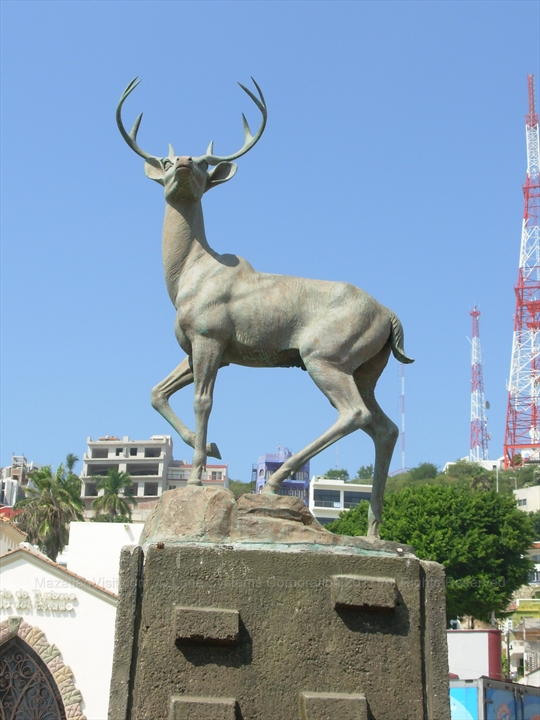
In the ancient indigenous Nahuatl language, Mazatlán translates to "The Land of the Deer."
To honor this linguistic heritage, three prominent bronze deer statues stand at key focal points across the city: one marks the entryway roundabout at Marina Mazatlán, another anchors the central Malecón path, and the most historic sits overlooking the shores at Olas Altas.
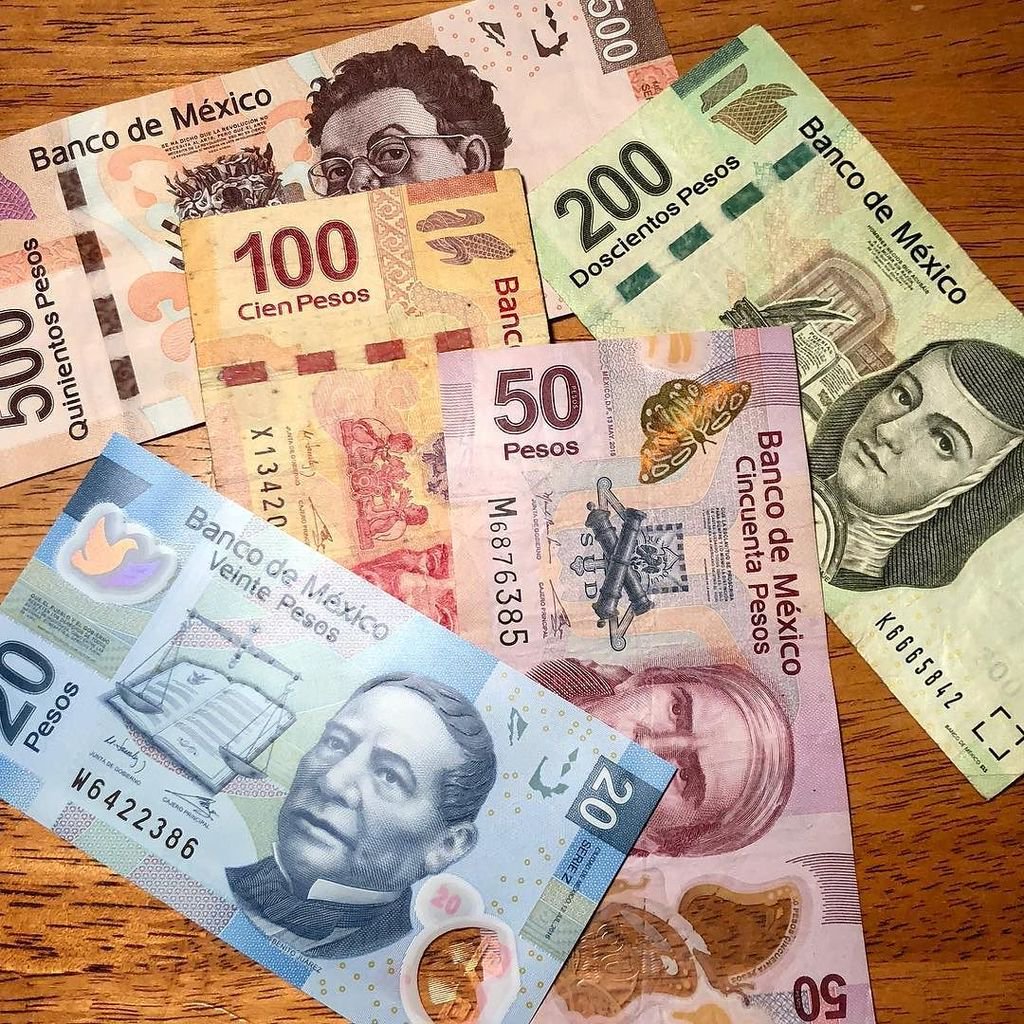
The official legal tender is the Mexican Peso ($ MXN). Every commercial business, restaurant, beach vendor, and public taxi service entirely accepts and prefers pesos.
While many stores inside primary tourist zones will accept clean, untorn US Dollar ($ USD) bills for convenience, they will apply a highly unfavorable internal exchange rate to your purchase. No retail venue will accept Canadian Dollars ($ CAD) or international coins.
Card Acceptance Update: Credit and debit cards are universally accepted at almost all restaurants, bars, and convenience stores. However, standard open-air Pulmonia taxis and shoreline palapa food shacks still operate strictly on a cash-only basis. Always rely on bank-integrated ATMs to pull local currency rather than standalone, third-party machines.
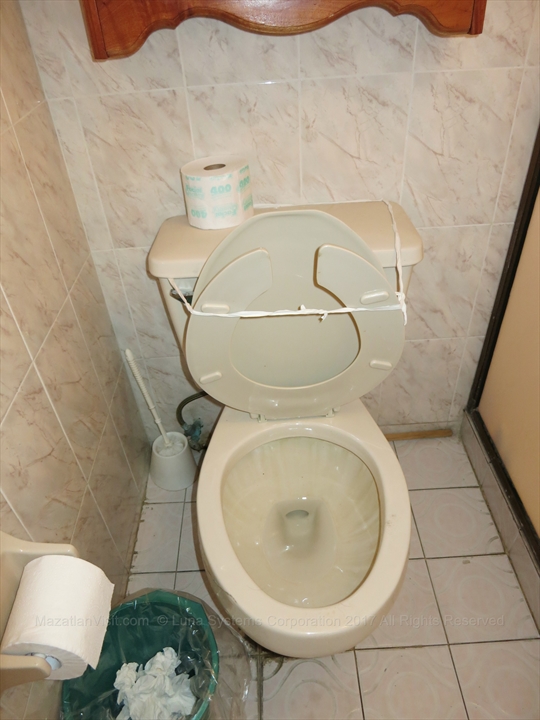
No. Except inside premium luxury international hotels, you should never flush toilet paper down the plumbing line.
The historic municipal sewage grid sits level with the sea and lacks the advanced pressure configurations needed to dissolve paper waste efficiently. To avoid catastrophic line blockages, standard practice throughout Mexico dictates placing all used tissue papers securely inside the small waste basket positioned immediately next to the toilet bowl.
No, never drink unpurified tap water in Mazatlán. Consuming untreated water is highly likely to cause severe bacterial stomach illnesses.
Always rely strictly on sealed bottled water or heavy multi-gallon purified jugs (garrafones) for hydration, brushing teeth, and cooking needs. Convenient chain stores sell bottled water very cheaply. Rest assured that ice cubes served across licensed tourist restaurants and Golden Zone resort bars are produced from commercially purified ice factories and are entirely safe to consume.
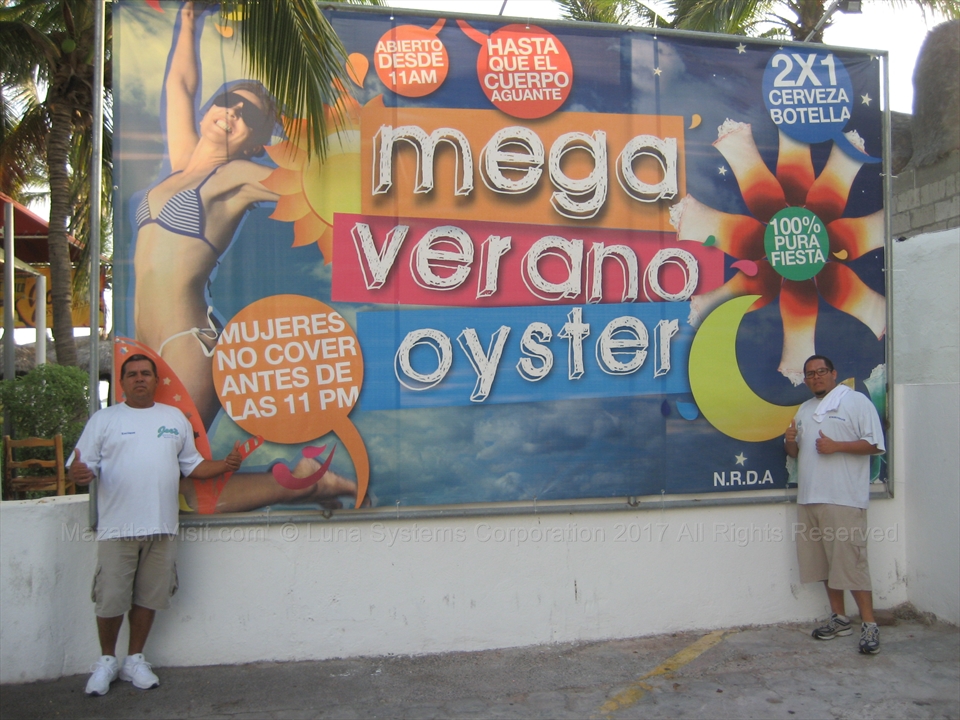
When displayed on menu boards outside local cantinas, "2x1" indicates a traditional two-for-the-price-of-one happy hour special.
When you request a single beverage, the server will naturally deliver two individual containers to your table. This promotion applies almost universally to local Pacifico beers and standard house tequila mixed drinks. Note that most bars require you to accept both drinks simultaneously to validate the discount.
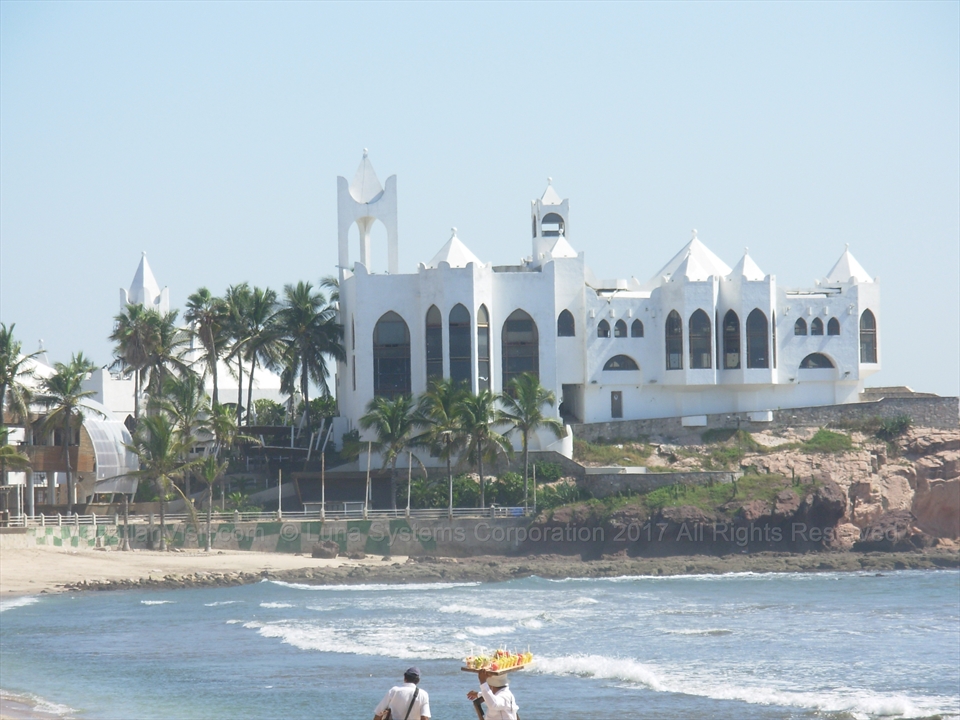
The white fortress complex commanding the shoreline point is a premium multi-venue entertainment and dining destination named 'Punto Valentino.' It sits prominently anchored at the intersection of Avenida Rafael Buelna and Avenida Camarón Sábalo, physically mapping the exact transition zone where the Malecón ends and the Golden Zone begins.
Historically known for decades as Fiestaland, the castle housed famous mid-century super-clubs like Valentino's and Bora Bora before falling into disuse. The property was thoroughly revitalized and rebranded by premium hospitality groups, introducing the high-end Onaki Beach Club and sophisticated seaside dining concepts like Onáltica.
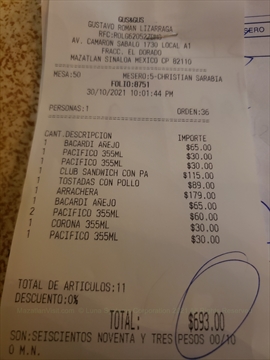
Tipping mechanics across tourist sectors closely mirror standard North American practices. For standard sit-down restaurant services, a gratuity of 10% to 15% is the local norm for good service, with 18% to 20% reserved for exceptional service. Always review your itemized bill closely before leaving cash; some venues pre-calculate gratuity under the line item listed as "Propina." Tipping taxi drivers is not locally expected unless they handle heavy travel luggage or provide excellent commentary during an hourly city tour.
The United States Consular Agency office provides vital emergency passport and notary support services. It is centrally located at:
Playa Gaviotas 202, Local 10, Zona Dorada, Mazatlán, Sinaloa, Mexico.This commercial office suite sits directly across the main thoroughfare from the landmark Hotel Playa Mazatlán complex in the heart of the Golden Zone.
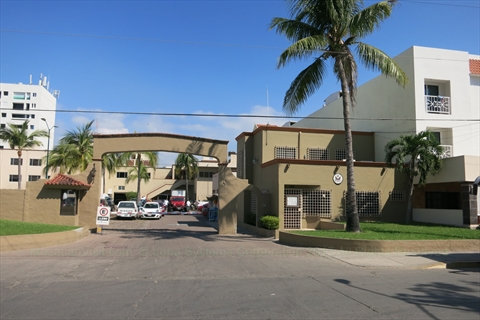
The active Canadian Consular Agency stands ready to assist traveling citizens and is located at:
Boulevard Marina Mazatlán #2302, Marina Mazatlán, Mazatlán, Sinaloa, Mexico, 82103.The administrative workspace is located inside the commercial business block named 'Centro Comercial La Marina Business and Life.' The direct telephone number is 669-913-7320, and it is routinely open for public walk-in traffic Monday through Friday from 9:30 AM to 12:30 PM.
The official international IATA airport code designation is MZT.
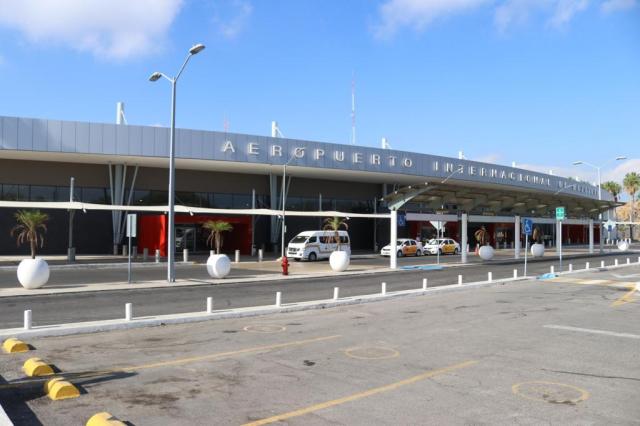
The flight facility is officially named the General Rafael Buelna International Airport. The facility sits positioned approximately a 30-minute vehicle drive south from the main Golden Zone hotel strips.
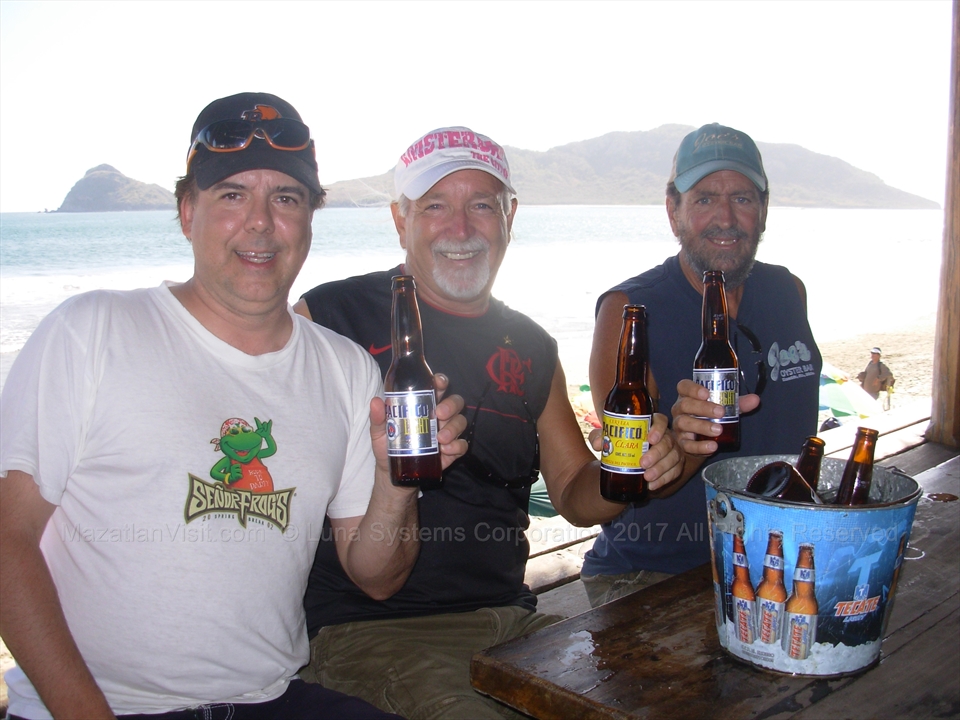
The standard, culturally authentic way to offer a celebratory drink toast anywhere across Mexico is to raise your glass and exclaim "¡Salud!" (which literally translates to wishing direct health to your companions).
The phonetic pronunciation breaks down accurately as: mah-zaht-LAHN.
Crucially, because the final vowel features a formal grammar accent mark (á), vocal emphasis must always target the final syllable. Avoid flat or drawn-out vowel slurs to sound more like a native speaker.
Mazatlán functions inside the Mexican Pacific Standard Time Zone.
For the vast majority of the year, this operational alignment matches up identically with Mountain Standard Time (MST) across Western Canada and the United States (such as Denver or Calgary). It runs exactly 1 hour ahead of Pacific Standard Time (PST) parameters used across Vancouver or Los Angeles.
Daylight Savings Notice: Because the Mexican Federal government passed legislation shifting daylight savings tracking updates across specific internal states, double-check your localized smartphone clock transitions carefully when flying down during April or November calendar switches.
The world-famous Mazatlán Carnaval occurs annually during the late winter season, concluding exactly on Fat Tuesday (the day prior to Ash Wednesday).
For the upcoming celebration season, the official festivities will launch on February 4, 2027, and extend through February 9, 2027. To map out your event itineraries, check out our master calendar blocks detailing parade routes, stadium concerts, and street ticket points: 2026 Mazatlán Events Calendar.

Yes, Uber operates safely, legally, and highly efficiently throughout Mazatlán. Passenger pickup transactions are smooth across the Golden Zone, Centro, and major shopping malls. Rideshare fees routinely track significantly lower than standard unmetered public street taxis.
Rideshare Insider Secret: Seasoned local travelers overwhelmingly prefer utilizing the alternative DiDi app over Uber when navigating the city. The DiDi driver network is vastly larger in Sinaloa, resulting in noticeably faster pickup times and cheaper baseline fares. Note that DiDi configurations inside Mexico default to a cash-payment-to-driver model at the conclusion of your trip.
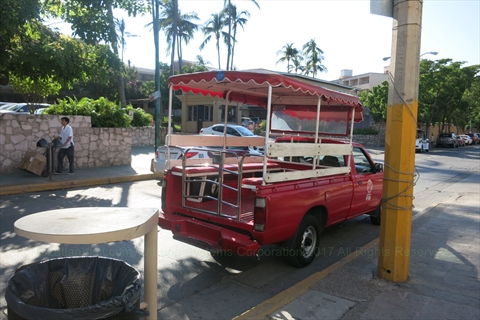
The red open-air passenger utility trucks equipped with dual bench seating arrays are called "Aurigas" (which literally translates from archaic Spanish to mean traditional chariot drivers).
This unique transportation mode evolved directly from the historical horse-drawn freight wagons that operated around the cargo shipping terminals of Downtown Mazatlán in the 19th century.
If you are traveling with a large group of 4 to 8 people or carrying oversized beach gear, hailing an Auriga is your best transit solution. They operate identically to the small white Pulmonia golf-cart taxis; you must clearly state your destination and shake hands on a firm flat rate before boarding the truck bed.