Bird Watching in Mazatlán
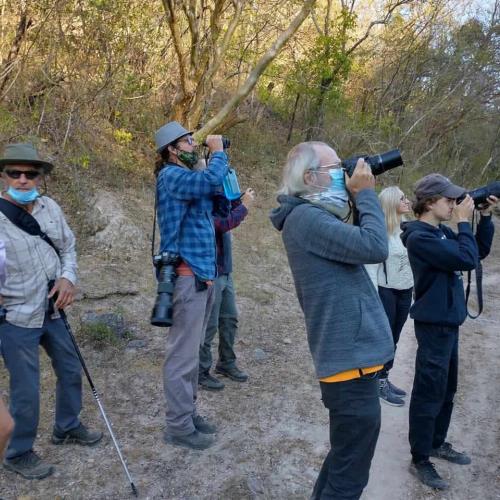
Mazatlán is an exceptional haven for eco-tourists and birding enthusiasts.
Positioned strategically along the Pacific Migratory Flyway, the surrounding state of Sinaloa plays host to over 300 migratory bird species annually. The region's diverse natural geography—comprising dense coastal mangroves, salt marshes, brackish estuaries, tropical deciduous forests, and offshore islands—provides rich resting and feeding grounds.
Within the city boundaries and just offshore, you can easily observe a spectacular variety of seabirds, marsh birds, and coastal waders. Premier avian viewing is available at the high-altitude canopy of Observatory 1873, the sprawling central parklands, and right along the sandy shoreline beaches.
Estero del Yugo Nature Reserve
The Estero del Yugo Eco-Preserve is a quiet, pristine protected coastal lagoon covering 27 acres of tropical deciduous forest and wetlands in North Cerritos. While historically celebrated as a premier birdwatching park with 1 km of walking paths, the reserve is currently closed to the general, casual public.
The scientific institute managing the land, CIAD (Centro de Investigación en Alimentación y Desarrollo), has suspended regular daily public operations, paid tours, and ticketing. The interior trails are unmaintained, and the site is strictly reserved for scientific studies, local environmental research workshops, and pre-arranged, supervised educational school groups.
"El Nido" Bird Sanctuary at Observatory 1873
Perched 75 meters atop Vigía Hill, the historical Observatorio 1873 hosts "El Nido" (The Nest) Mexican Bird Sanctuary. This beautiful, state-of-the-art aviary was custom-designed in collaboration with federal environmental protection agencies (Profepa and Semarnat).
Dedicated to rehabilitating rescued exotic birds, the sanctuary houses over 70 regional and national species, including colorful scarlet macaws, toucans, flamingos, and rescued parrots.
During the guided funicular tour up the mountainside, visitors traverse elevated wooden walkways inside the massive aviary mesh structure. Here, with the help of a conservation guide, you can learn the individual rehabilitation stories of the birds and assist in feeding the friendly parrots.
Observatory 1873 Visitor Guide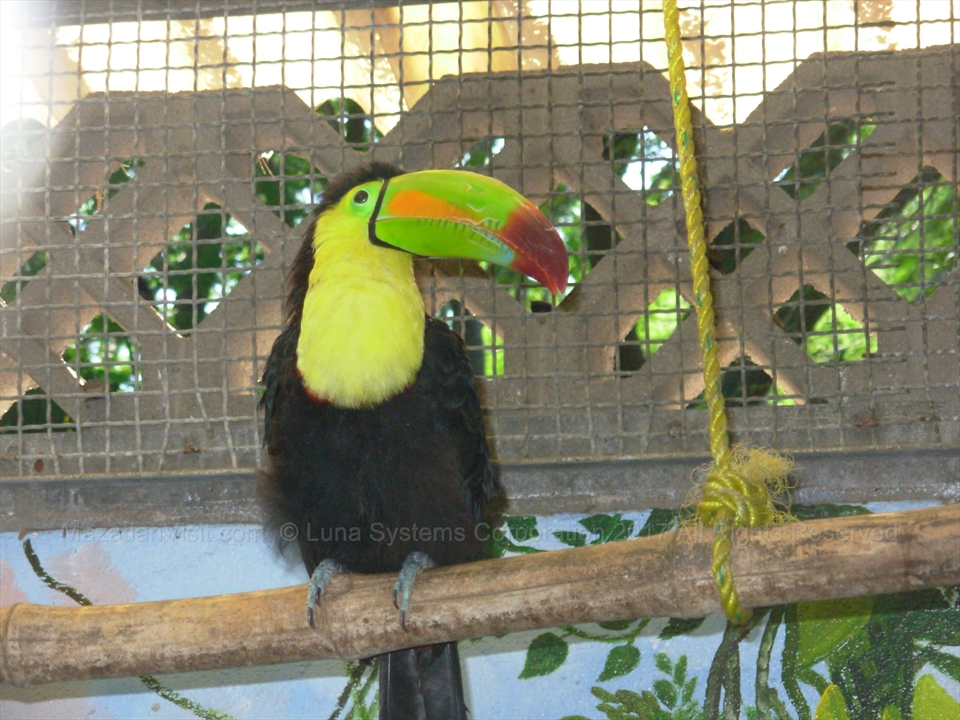

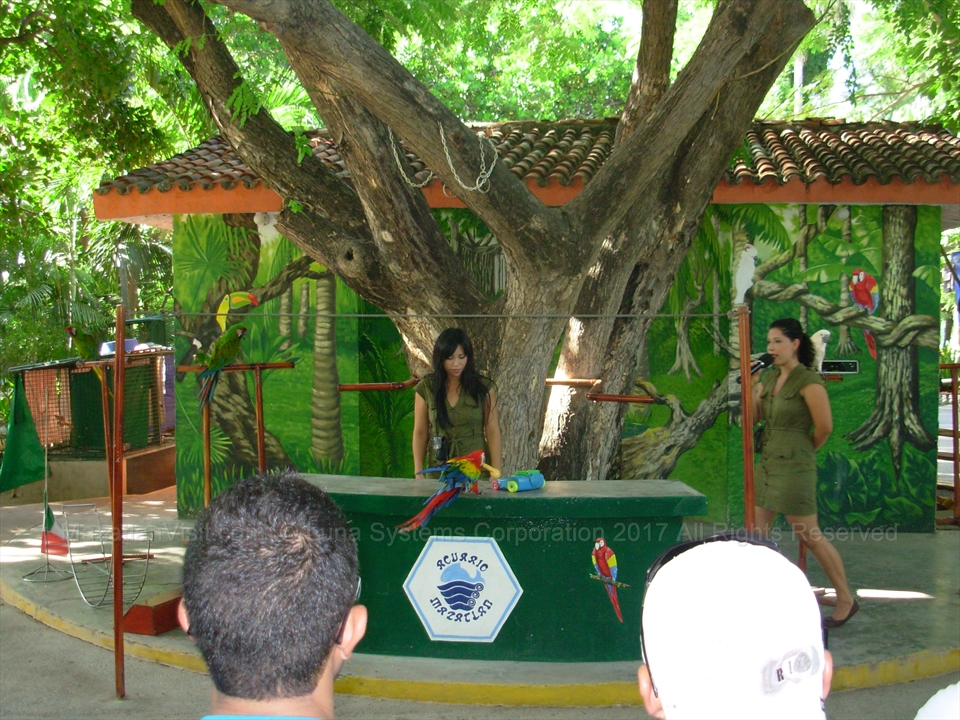
Legacy Aquarium Aviary (Historical Note)
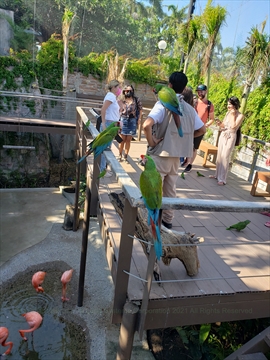
Historically, the old Acuario Mazatlán (which permanently closed in May 2023) operated a massive tropical aviary and held educational bird shows starring trained parrots.
While that original classic facility is no longer open, its legacy animal rehabilitation and protection tasks have been transferred next door to the grand, multi-million dollar Gran Acuario Mazatlán (Sea of Cortez Aquarium). The new park features state-of-the-art interactive exhibits and expanded habitats for local shorebirds, penguins, and marine mammals.
Read Aquarium Closure HistoryCasual Shorebird Watching on the Beach
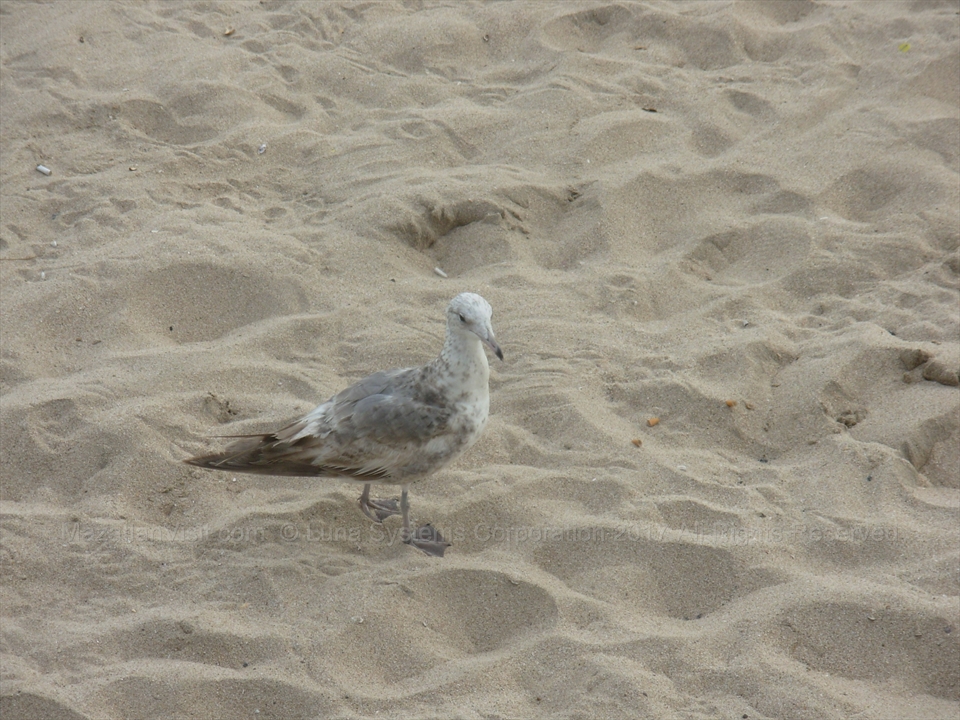
You don't have to book a dedicated safari to appreciate Mazatlán's diverse avian residents. Simply walking along the central beaches of the Golden Zone or the rocky outcrops near the Malecón will introduce you to several species.
It is an everyday sight to observe giant brown pelicans flying in close formation before spectacular, high-speed dive-bombing drops into the surf to hunt fish. Egrets and sandpipers run dynamically along the tidal lines, and gulls are always on hand to keep visitors company at beachfront open-air palapa restaurants.
Mazatlán Beach Guide
Mazatlán Birding Tours
For serious birders looking to add elusive endemic species like the Tufted Jay to their life list, professional eco-tours operate out of Mazatlán. These tours venture beyond city borders, taking birders into the high-altitude pine-oak forests of the Sierra Madre Occidental, the mangroves of Stone Island, or the San Ignacio estuary.
We recommend speaking directly with the guest concierge or activities desk at any premier hotel to verify current schedules and book certified local guides.
Local Birdwatchers Workshops
Mazatlán regularly participates in bi-national conservation programs aimed at monitoring migratory coastal flyways. In recent years, community workshops and free eco-seminars have been hosted for local expats and visitors.
These educational programs provide training on how to count migratory birds, identify nesting grounds, and support ongoing preservation efforts to protect Mazatlán's fragile wetland habitats.